← Back to Articles

Cat Poop Guide: What’s Normal, What’s Not (and When to Call the Vet)

Yes, we’re talking about poo — because it’s one of the best health clues you get.

A cat’s poop can tell you a lot about digestion, stress, hydration, diet tolerance, and overall wellbeing. The goal isn’t “perfect poo” every day — it’s spotting changes early.

This guide helps you understand:

  • What healthy poop usually looks like
  • Common poop “types” and what they can suggest
  • Food intolerance clues (yes — even gravy can be the culprit)
  • Stress-related gut issues (including blood in stools)
  • When to monitor vs when to speak to a vet

Note: This is general guidance, not a diagnosis. If you’re worried — especially with blood, black stools, pain, or lethargy — a vet check is the safest next step.
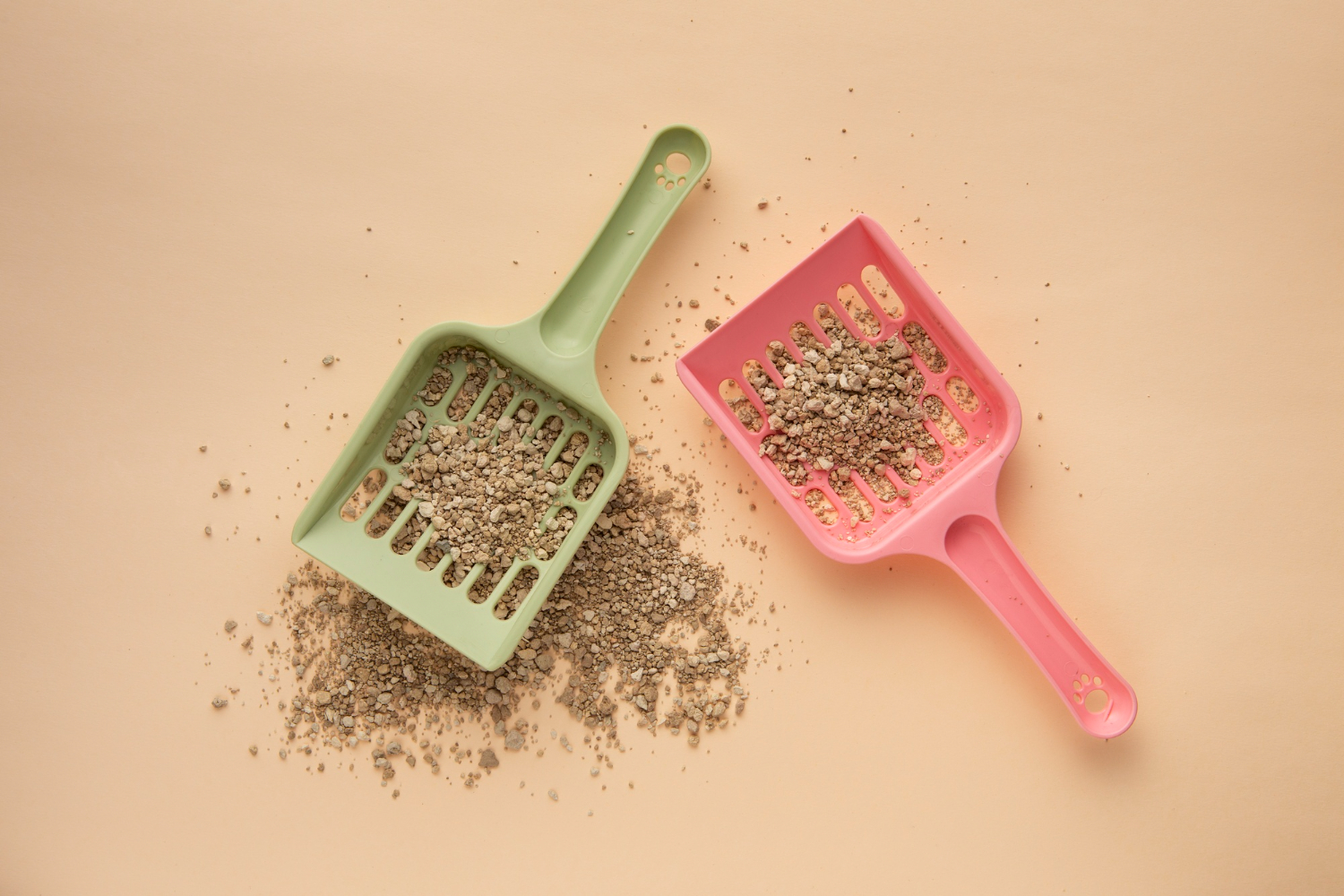
Cat health guide
Tags: Digestion • Diarrhoea • Constipation • Food Tolerance • Vet Advice

What “Normal” Cat Poop Usually Looks Like

Healthy poop varies a bit between cats, but a good baseline is:

  • Medium-brown colour
  • Formed log(s) that hold shape when scooped
  • Not rock-hard, not soft puddles
  • Consistent for your cat (you’re watching for changes)

A sudden change matters more than one slightly weird poop.

Quick Clues to Watch

When something’s off, these are the most useful things to notice:

  • Consistency: firm, soft, watery, pellet-like?
  • Frequency: more often than usual or not going at all?
  • Effort: straining, crying, repeated trips to tray?
  • Extras: mucus, blood, worms, hair?
  • Behaviour: appetite changes, lethargy, hiding, vomiting?

Poop Types: What They Can Suggest

Goal: Make the common “types” easy to recognise (without panic).
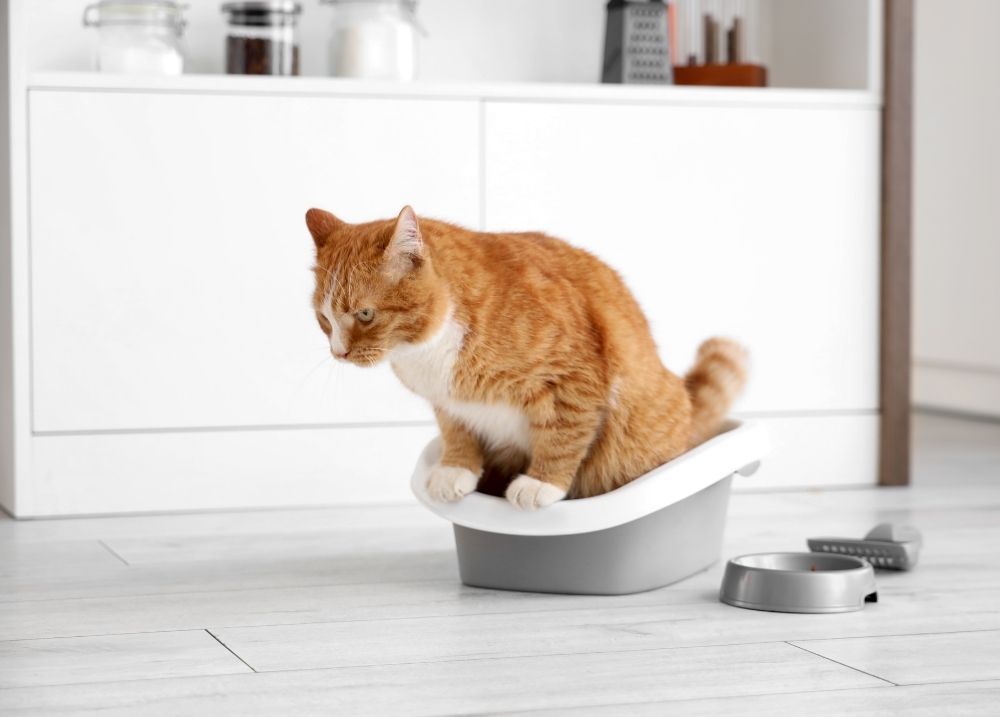
Cat digestion guide

Common Patterns

  • Perfectly formed, medium-brown logs: generally a happy gut.
  • Soft-serve / mushy poo: mild upset, diet change, rich food, intolerance, stress, or early infection.
  • Watery diarrhoea: stronger upset — can be diet intolerance, infection, parasites, toxins, sudden food change. Monitor hydration closely.
  • Pellets / very dry small poos: often constipation or dehydration (sometimes stress-related tray avoidance).
  • Large dry stool + straining: constipation — can become painful and may need vet help if it doesn’t resolve quickly.
  • Alternating constipation and diarrhoea: can happen with sensitivity, stress, or longer-term gut issues — worth discussing with a vet if recurring.

If your cat is straining repeatedly or seems painful, don’t wait — constipation can become serious.

Mucus in Poop

A little mucus can happen with irritation, mild colitis, stress, or diet changes. It matters more if it’s frequent or paired with diarrhoea.

  • Occasional small amounts: monitor, simplify diet changes, support hydration
  • Frequent mucus or worsening diarrhoea: consider parasites/infection and speak to a vet

Blood in Poop (Red vs Black)

Blood is always worth taking seriously.

  • Bright red streaks: often lower-gut irritation (colitis), stress diarrhoea, straining, parasites — can also happen with anal gland irritation.
  • Black/tarry stool: can suggest digested blood higher in the gut — treat as urgent.

Stress can cause gut upset in some cats — even to the point of blood — but blood should still be checked if you’re unsure.

Food Intolerance & “Rich Food” Poops

Goal: Spot the diet patterns that commonly cause runny stools.
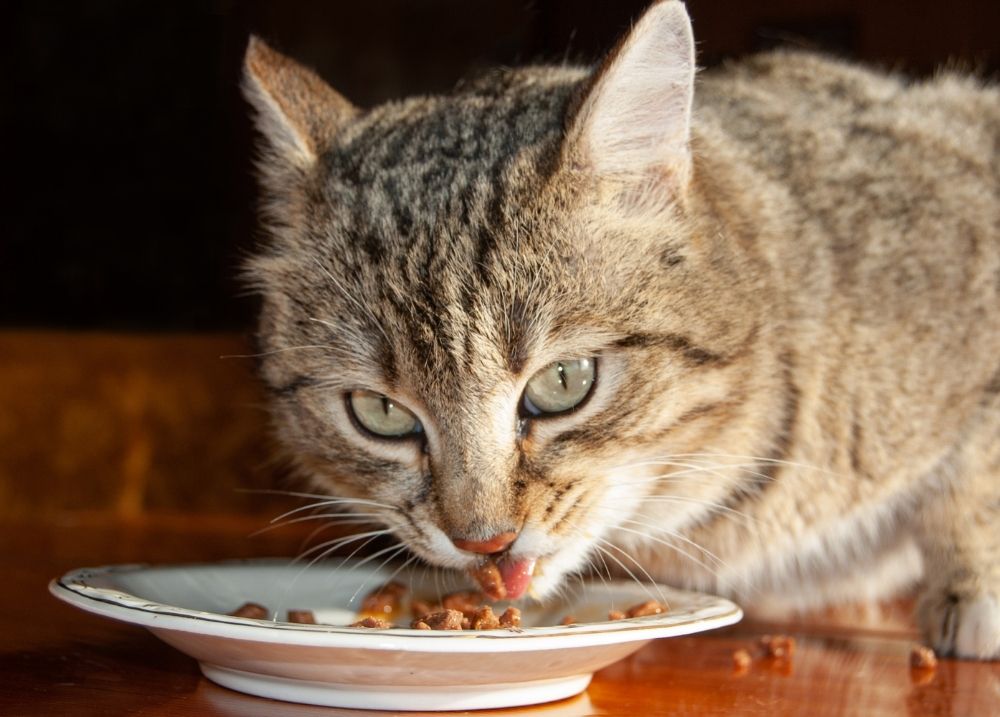
Cat eating food

Food intolerance is a big one — and it isn’t always the main food. Sometimes it’s the extras: gravy, rich toppers, new treats, or a sudden switch.

  • Gravy/toppers: some cats react badly to gravy-style foods (very loose stools can happen fast).
  • Too rich / too much fat: premium foods can still be “too rich” for a sensitive stomach — especially broths and very rich fish-based foods.
  • Fast changes: even a better-quality food can cause diarrhoea if transitioned too quickly.
  • One-cat doesn’t equal all-cats: what suits one cat can be a disaster for another.

If a new food causes chaos, it’s okay to pause and go slower — or switch to a vet-recommended gastro diet short term if advised.

Stress Poops Are Real

Cats can be extremely stress-sensitive. Changes that seem small to us can affect digestion:

  • Visitors, building work, fireworks, new pets, moving furniture
  • Multi-cat tension (even silent “staring” stress)
  • Litter tray changes or trays not clean enough
  • Routine changes (feeding times, owner away, travel)

If your cat gets stress diarrhoea, focus on calm routine + tray hygiene + predictable feeding.

Litter Tray Matters More Than You Think

If a tray is unpleasant, some cats hold it — which can lead to constipation, straining, or accidents.

  • Scoop daily (more often in multi-cat homes)
  • Quiet, accessible placement
  • Low-entry trays help seniors or jointy cats
  • Dusty litter can irritate some cats (and may contribute to stress)

Other Common Causes to Keep in Mind

Goal: The “don’t forget these” list, especially if symptoms recur.
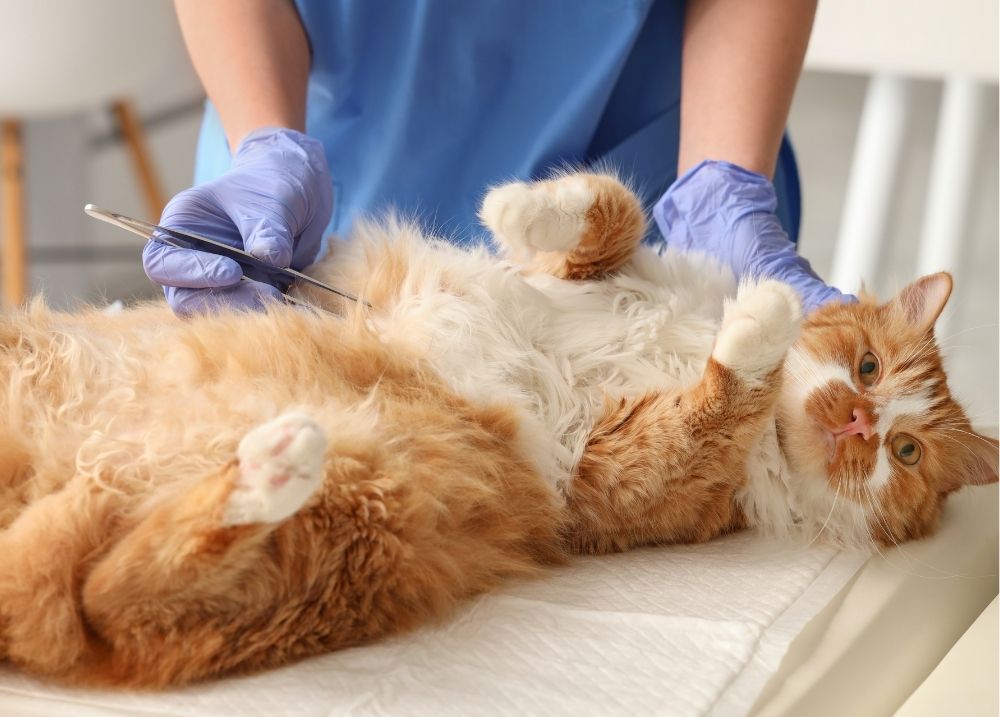
Cat health check
  • Parasites: more common in outdoor cats, kittens, new rescues — but possible in any cat.
  • Infection: can cause diarrhoea, mucus, lethargy, appetite changes.
  • Dehydration: contributes to constipation and hard stools.
  • Hairballs: can irritate the gut, especially with frequent grooming seasons.
  • Eating something they shouldn’t: plants, strings, human food, packaging.
  • Long-term gut sensitivity: if diarrhoea/constipation cycles keep happening, a vet can help investigate.

If you suspect toxin exposure (plants, chemicals, human meds), contact a vet urgently.

What You Can Do at Home (Safe First Steps)

If your cat otherwise seems bright and well, these gentle steps can help while you monitor:

  • Stop new extras: pause gravy, toppers, and treats and keep meals simple
  • Slow transitions: if changing food, go slower and hold at the last “good” ratio
  • Support hydration: wet food, water bowls, fountains, a splash of warm water in meals
  • Keep trays extra clean and reduce stress where possible
  • Take notes: what changed, when symptoms started, and frequency

If diarrhoea is frequent, hydration is your biggest priority.

Helpful “Evidence” for Your Vet

If you do need a vet visit, these details help a lot:

  • Photo of the stool (yes, really)
  • How many times in 24 hours
  • Any blood/mucus/vomiting
  • Food/treat changes and any “extras” (like gravy)
  • Stress events (visitors, changes at home)
  • Bring a fresh sample if your vet asks for one

When to Speak to a Vet

It’s best to get checked if you notice any of the following:

  • Blood in stool (especially black/tarry stool)
  • Repeated diarrhoea (multiple times in 24 hours) or diarrhoea lasting more than a day
  • Vomiting + diarrhoea, or your cat can’t keep water down
  • Lethargy, hiding, weakness, or your cat seems “not themselves”
  • Signs of dehydration (dry gums, very low energy)
  • Straining, crying, repeated unproductive litter trips
  • No poop for 48 hours (or sooner if your cat is uncomfortable)
  • Kittens, seniors, or cats with existing conditions should be checked sooner
  • Suspected toxin/foreign body (plants, string, medications)

If you’re ever unsure, it’s completely reasonable to call your vet for advice.

Related Reads

If you want a deeper guide on routine-based digestion support and hydration, these posts pair well with this one:

We Want to Hear Your Success Stories!

Found a food switch, routine change, or simple trick that helped your cat’s tummy settle?

Send us a photo and a tip — your cat could feature on our site and socials!

Share Your Story Leave a Review
Happy cat success story

Feature your cat!

Best Sellers