A calm tummy starts with calm routines.
Loose stools, gassiness, hairballs, or occasional vomiting can all be signs that your cat’s digestion needs a little extra support.
Most tummy troubles in cats come down to a few everyday triggers: fast food changes, stress, hydration dips, hairballs, or a sensitive gut that needs consistency.
This guide focuses on three gut-friendly pillars:
- Slow, supportive food transitions
- Fibre + hydration for comfortable stools and fewer hairball upsets
- Stress reduction (because the gut and mood are linked)
You don’t need to do everything at once — small changes made consistently are usually the most effective.
Tags: Digestive Health • Hairballs • Vomiting • Gut Balance
What Does a “Happy Gut” Look Like?
Every cat is different — so the key is spotting changes from your cat’s normal. A happy gut often looks like:
- Comfortable, regular poos (not too soft, not too hard)
- Minimal gassiness and less tummy discomfort
- Steady appetite and normal energy
- Comfortable litter tray habits (no straining)
- Fewer hairball-related upsets
- Only occasional vomiting (if any), with clear patterns you can identify
If digestion has been “on and off”, it usually responds best to calm consistency rather than quick fixes.
Why Cats Get Digestive Upsets
Digestive symptoms are often connected. For example, a sensitive gut can show up as loose stools, gas, hairball vomiting, or occasional bile vomit on an empty stomach.
Common triggers include:
- Changing food too quickly (even “better” foods can upset a sensitive gut)
- Stress or changes at home (new people, noise, routine shifts)
- Treat overload or rich foods
- Hairballs (especially during shedding seasons)
- Low fibre intake or inconsistent hydration
- A gut microbiome that needs time to rebalance
- Eating too fast (often causes regurgitation / vomiting soon after meals)
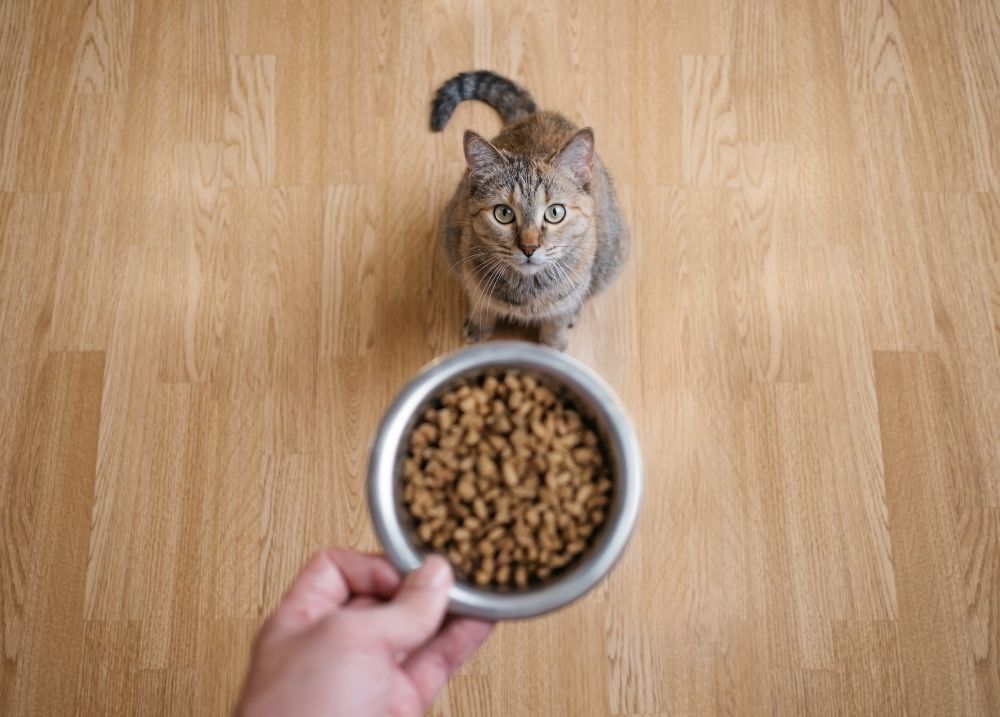
Pillar 1 — Keep Food Consistent
Goal: Avoid unnecessary digestive upset by keeping your cat’s diet as steady and predictable as possible.
Why consistency matters
- Try not to change your cat’s food too often. Frequent swaps in food, flavour, or treat type can easily upset a sensitive stomach.
- Keep treats simple and familiar. If your cat already has digestive issues, lots of different treats can make it harder to spot what is helping or making things worse.
- Watch portion sizes. Overfeeding can lead to vomiting, loose stools, and general digestive discomfort even if the food itself suits them.
- Smaller meals can help. For cats prone to vomiting or fast eating, splitting food into smaller portions across the day may be gentler on the stomach.
If you do need to change their food
- Go gradually. Mix the new food in slowly over 7–10 days, and longer if your cat is particularly sensitive.
- Pause if needed. If symptoms worsen, stay on the current mix for a few days before increasing the new food again.
- Only change one thing at a time. Avoid introducing new treats or supplements at the same time as a food switch.
When a specialist diet may help
If your cat is having ongoing digestive issues, a veterinary gastro diet may be worth discussing with your vet. Some cats do well on specialist gastrointestinal foods such as the Royal Canin Gastrointestinal or Purina gastro ranges.
What You’re Building: A calm, steady feeding routine that gives your cat’s digestive system the best chance to settle.
Pillar 2 — Fibre + Hydration for Comfortable Stools (and Fewer Hairball Upsets)
Goal: Support stool consistency, reduce gassiness, and help hair move through comfortably.
Daily Habits That Make a Difference
- Boost hydration. Add an extra water bowl, try a fountain, or stir a splash of warm water into wet food.
- Add fibre gently. Fibre can help when poos are inconsistent — too loose or too firm — and can support hairball movement.
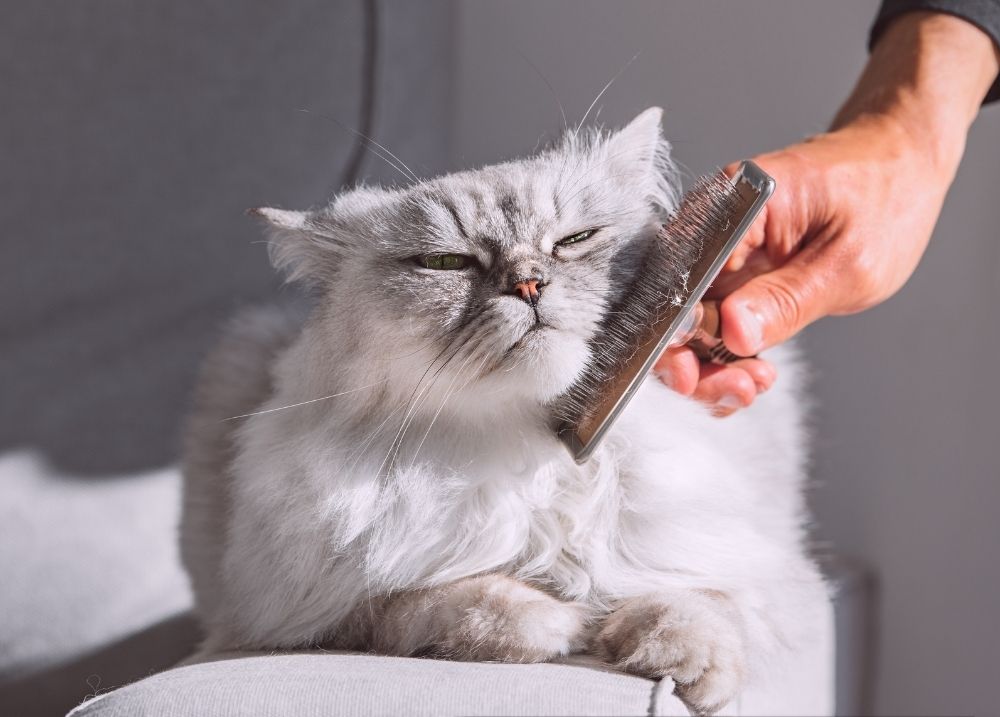
- Support hairball seasons. Extra brushing + hydration + gentle fibre often reduces hairball vomiting.
- Keep litter trays extra clean. Cats may “hold it” if trays feel unappealing, which can lead to constipation and discomfort.
- Reduce rich extras. Rich treats and table scraps are a common cause of loose stools, gas, and vomiting.
Quick Comfort: Hydration + gentle fibre support are often the first habits that make poos more consistent.
Pillar 3 — Calm Cat, Calmer Tummy
Goal: Reduce stress-based digestive flare-ups (loose stools, appetite dips, vomiting, and hiding).
Stress-Reduction That Supports Digestion
- Keep routines predictable. Meals, play, and quiet time at roughly the same time each day.
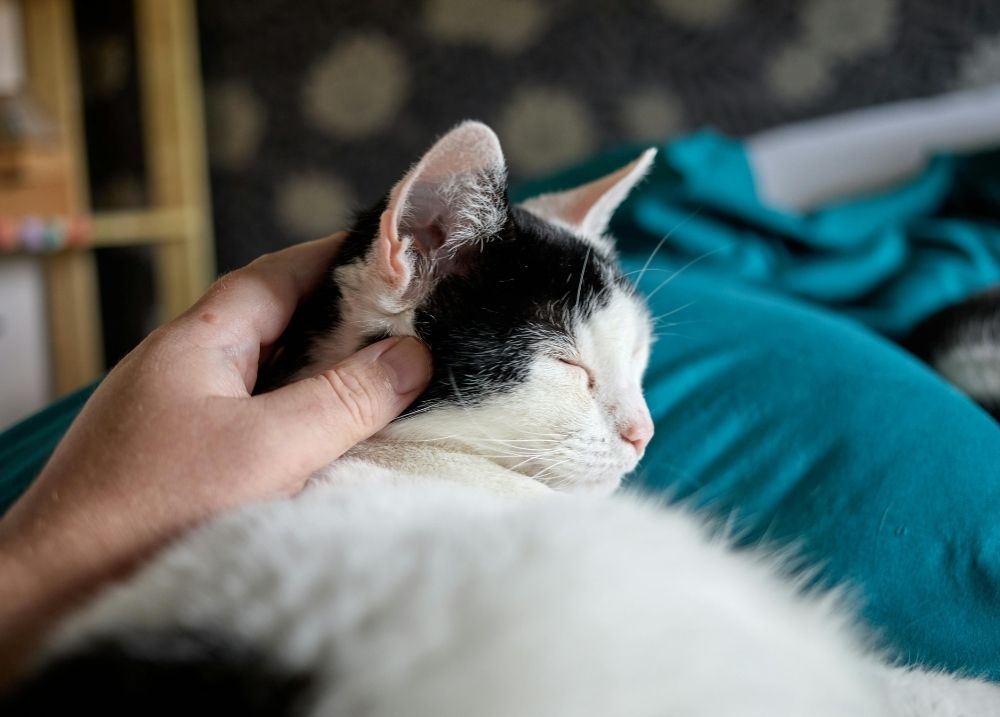
- Create a calm zone. A quiet bed, a hiding option, and a perch can reduce background stress.
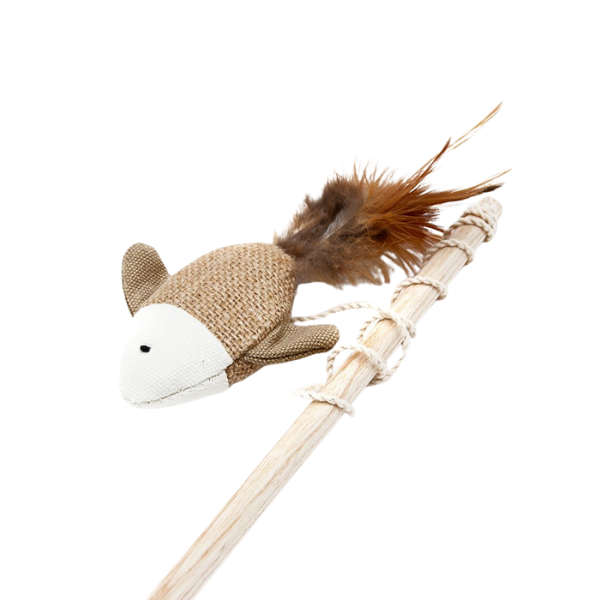
- Short play sessions help. A few minutes of play can regulate mood and support better digestion.
- Support during change. New home setups, visitors, or schedule changes can trigger digestive sensitivity in some cats.
- Protect mealtimes. Some cats vomit more when meals feel rushed or competitive (multi-cat homes).
Why This Matters: Many cats carry stress in their gut — calmer days often mean calmer digestion.
Hairballs & Tummy Upset: What Helps Most
Hairballs don’t only cause coughing — they can also trigger tummy discomfort, gassiness, and vomiting.
- Brush more often during shedding seasons
- Encourage hydration (hair moves through more comfortably when hydration is good)
- Use gentle fibre support to help move hair through naturally
- Watch patterns (seasonal hairballs are common — frequent vomiting all year round is worth discussing with your vet)
If hairballs are frequent, focus on consistency: daily hydration + routine grooming + gentle fibre support.
Vomiting in Cats: What Different Vomits Can Mean
Vomiting can be linked to digestion — but it can also be a sign of something else. The most helpful approach is to notice what came up, when, and how often.
- Hairball vomit (fur present): Common during shedding seasons. If it’s frequent, support with brushing, hydration, and gentle fibre.
- Undigested food (looks like their meal): Often regurgitation from eating too fast, stress at mealtimes, or running/playing right after eating.
- Foam/clear liquid: Can happen when the stomach is empty or mildly irritated. Some cats do this if they go too long between meals.
- Yellow bile: Often linked to an empty stomach (“hunger bile”). Smaller meals or a bedtime snack can help some cats.
- Partially digested food + liquid: More typical of true vomiting. May occur with dietary sensitivity, fast food changes, stomach upset, or stress.
- Diarrhoea + vomiting together: Can happen with dietary upset — but if it’s frequent, worsening, or your cat seems unwell, speak to a vet.
Tip: If you can, note the time, what they ate, and a quick description (hairball, undigested food, foam, bile). Patterns are helpful.
When to Speak to a Vet
Occasional hairballs or a one-off vomit can happen — but these situations should be checked, especially in kittens, seniors, or cats with existing conditions.
- Repeated vomiting (more than once in 24 hours), or vomiting that continues beyond a day
- Blood in vomit (red or coffee-ground looking)
- Lethargy, weakness, hiding, or your cat seems “not themselves”
- Not eating or struggling to keep food/water down
- Signs of dehydration (dry gums, sunken eyes, very low energy)
- Abdominal pain (tense belly, yowling when picked up, hunched posture)
- Possible foreign body (string, toys, plants) or toxin exposure
- Vomiting with diarrhoea that is severe, worsening, or persistent
- Sudden weight loss or ongoing vomiting over weeks
This guide is general digestive support and observation, not a diagnosis. If your cat is unwell or symptoms persist, a vet check is the safest next step.
Where Digestive Support Powder Fits In
If your cat struggles with occasional loose stools, gassiness, digestive sensitivity, hairball-related tummy upset, or needs support during food changes, a daily digestive powder can be a simple “one habit” addition that supports the whole routine.
Our Digestive Support Powder combines gentle fibres (psyllium, pumpkin, and green banana) for stool support, prebiotic fibre (inulin) to support gut balance, and soothing ingredients (slippery elm, kaolin, and fennel) for sensitive tummies. It’s designed to be easy to use daily — and daily consistency is where the best results show up.

Helps With
- Occasional loose stools or inconsistent poos
- Digestive sensitivity (a “touchy tummy”)
- Hairball-related tummy upset (fibre support)
- Gassiness and digestive discomfort
- Supporting gut balance during food changes
What to Expect
- Comfort support within 12–48 hours for occasional upset
- Best gut balance results build over 3–5 weeks of daily use
- Designed to pair with calm routines and slow transitions