← Back to Articles

Toxic Plants & Flowers for Cats: The Big Safety Guide

If you share your home with a cat, plants need a safety check.

Cats nibble leaves, bat at bouquets, and sometimes drink vase water. The tricky part is that “toxic” can mean anything from mild tummy upset to true emergency.

This guide aims to capture the most common and most dangerous plants and flowers for cats — across bouquets, houseplants, and gardens — while keeping it easy to scan.

Important: We’ve included a large list, but it may not cover every plant. If you’re unsure about a plant, always check a trusted toxic plant database or ask your vet.

Fast rule

If you can’t confirm a plant is cat-safe, treat it as unsafe until you’ve checked.
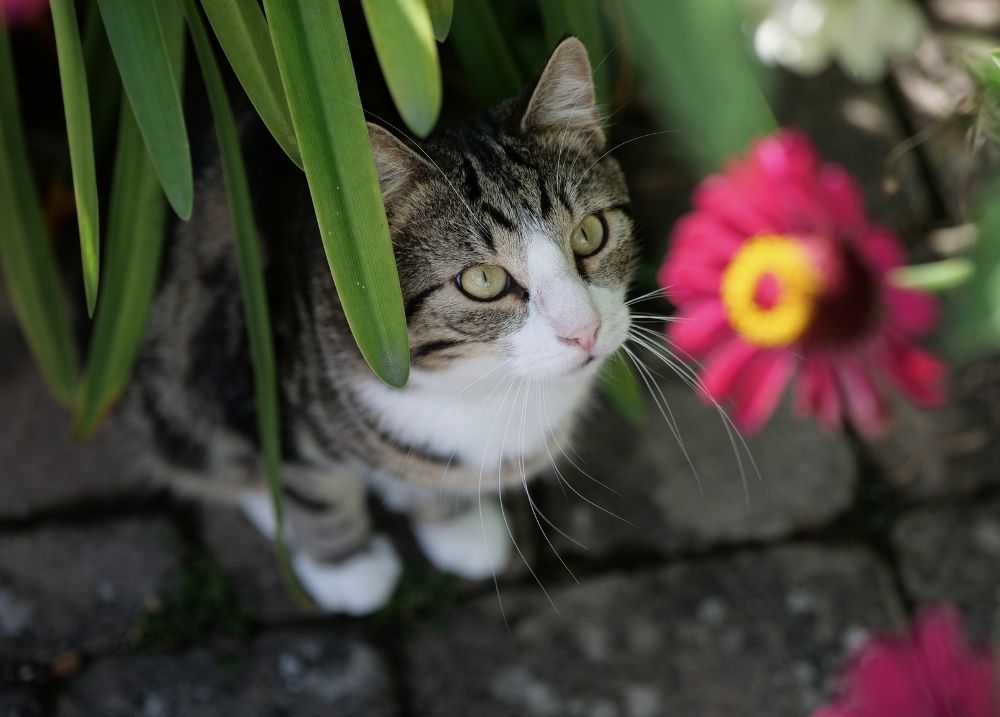
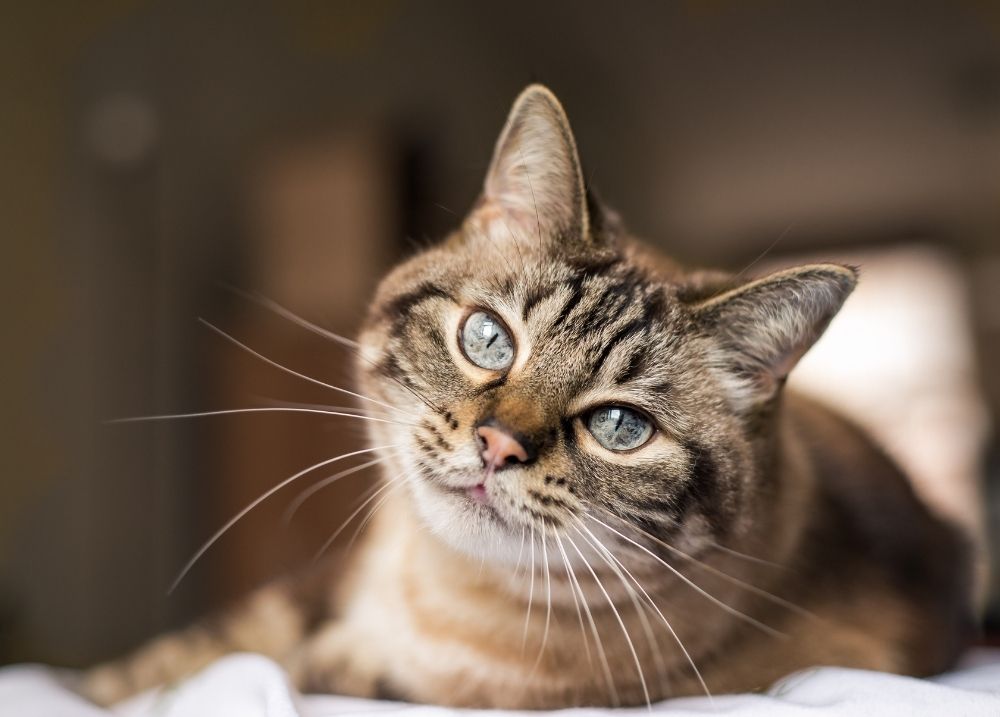
Cat near household plants
Tags: Plant Safety • Toxic Flowers • Emergency Advice

Emergency Warning: Lilies

Goal: Know the one flower family that should never be in a cat home.
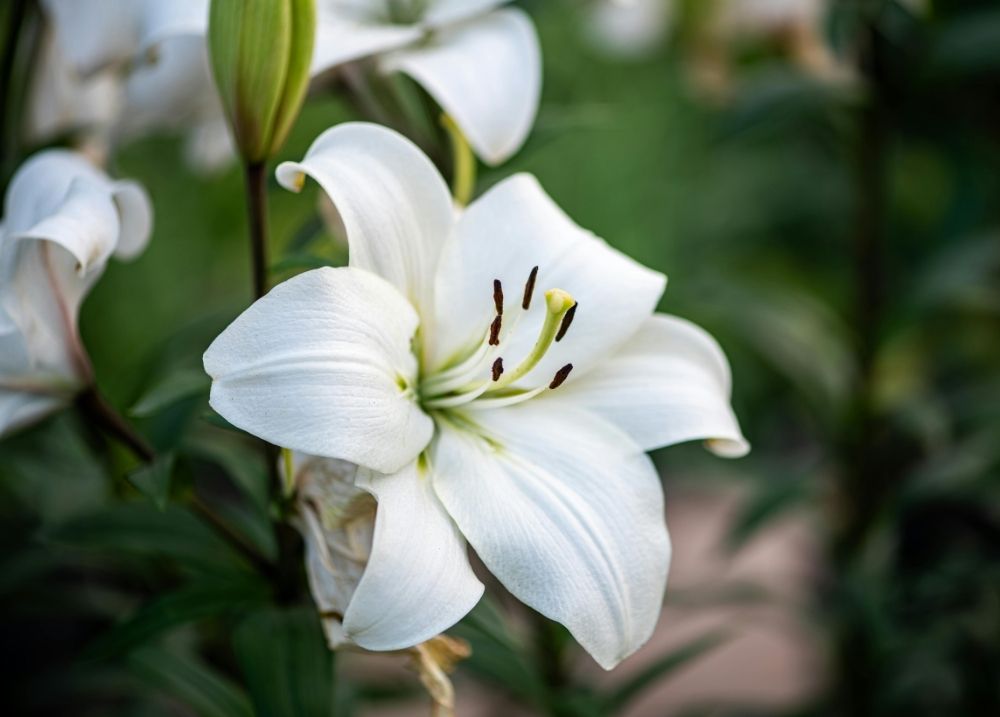
Cat safety warning about lilies

Some lilies are so dangerous to cats that tiny exposures can be life-threatening — including licking pollen off fur or drinking vase water.

  • True lilies (Lilium) and daylilies (Hemerocallis) are the highest-risk.
  • All parts can be dangerous: petals, leaves, stems, pollen, and even vase water.
  • If exposure is possible, call your vet immediately — don’t wait for symptoms.

If you take one thing from this page: keep lilies out of cat homes completely.

What To Do If Your Cat Chews a Plant

  1. Remove access (move the plant, close doors, stop more chewing).
  2. Take a photo of the plant (and any label/receipt if you have it).
  3. Check for pollen on fur (especially if flowers were involved) and prevent grooming until you’ve spoken to a professional.
  4. Call your vet (or an animal poison advice line if your vet recommends it).
  5. Don’t try home remedies or induce vomiting unless a vet tells you to.

Common Signs of Plant Poisoning

Symptoms depend on the plant and the amount, but these are common warning signs:

  • Drooling, pawing at the mouth, lip smacking
  • Vomiting or diarrhoea
  • Refusing food, lethargy, hiding
  • Wobbliness, tremors, seizures (urgent)
  • Breathing difficulty (urgent)
  • Excess thirst/urination (kidney concern — especially after lily exposure)

High-Risk Plants (Treat as Urgent)

These are widely regarded as among the most dangerous for cats. If you suspect ingestion/exposure, contact a vet urgently.

  • True lilies (Lilium) and daylilies (Hemerocallis) (emergency)
  • Sago palm
  • Oleander
  • Castor bean / castor oil plant
  • Autumn crocus
  • Lily of the valley
  • Foxglove
  • Yew

Even if your cat only “tasted” a plant, it’s still worth calling your vet when high-risk plants are involved.

Cut Flowers & Bouquets: The Most Common Household Risk

Goal: Know what to avoid bringing into the house.
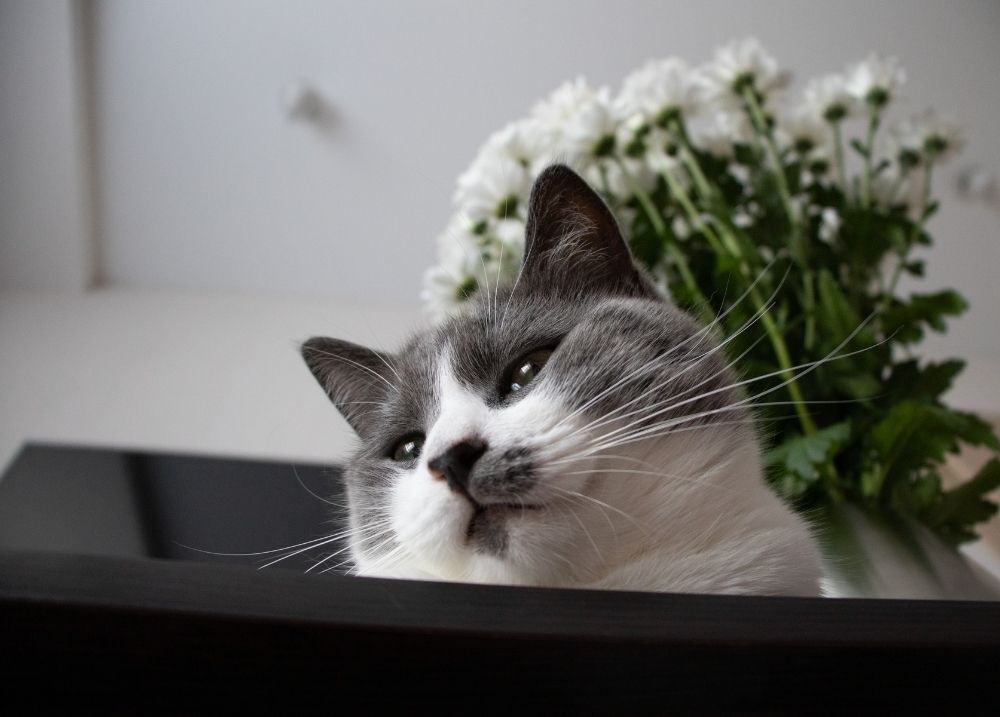
Bouquet flowers and cat safety

If your cat is curious, bouquets are often the biggest danger because they’re within reach, shed petals/pollen, and come with enticing vase water.

Common toxic bouquet flowers

  • Lilies (true lilies + daylilies) — do not bring home
  • Tulips (especially bulbs, but the whole plant can irritate)
  • Hyacinths (bulbs are especially risky)
  • Daffodils / Narcissus (bulbs especially)
  • Amaryllis
  • Chrysanthemums
  • Hydrangea
  • Lily of the valley
  • Cyclamen

Extra bouquet safety tips

  • Keep bouquets in a fully closed room (not “out of reach” — cats climb).
  • Never let cats drink vase water.
  • Vacuum/sweep fallen leaves and pollen promptly.
  • If you can’t confirm what’s in a mixed bouquet, treat it as unsafe.

Bouquets are also a common source of mouth irritation plants (cats drool and paw at their face). That can look dramatic even when the toxin is “milder”.

Houseplants That Are Toxic to Cats

Goal: Spot the common “Instagram plants” that can cause problems.
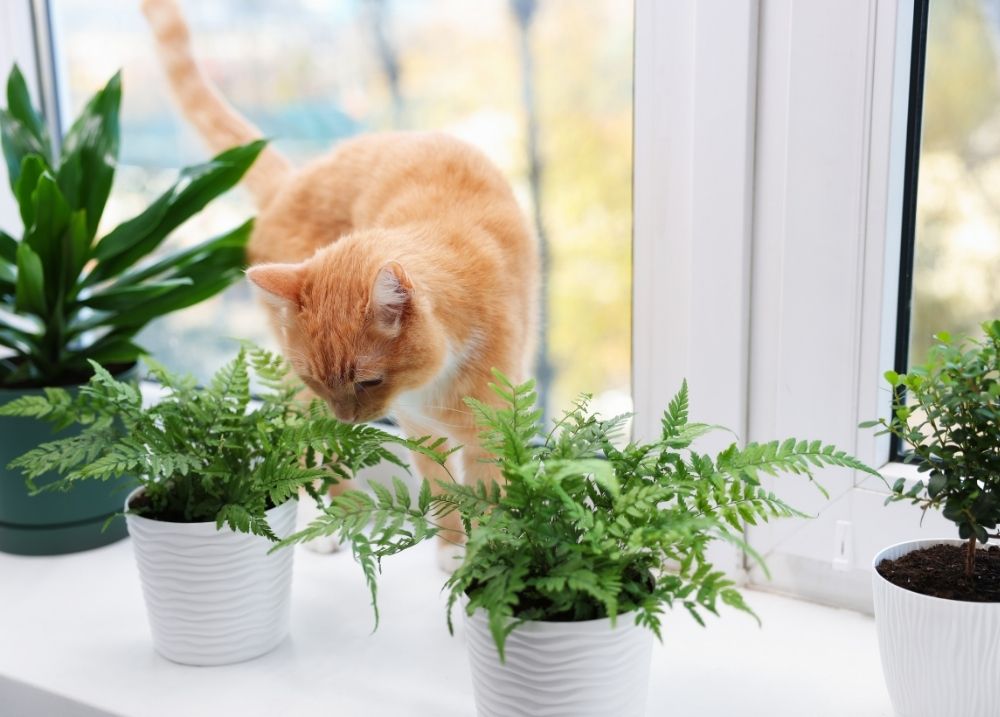
Common houseplants toxic to cats

Many popular houseplants cause mouth irritation, drooling, vomiting, or worse. The safest approach is to assume risk until you’ve checked the exact plant.

Very common indoor plants to avoid

  • Pothos / Devil’s ivy
  • Philodendron (many varieties)
  • Peace lily (not a “true lily”, but still toxic)
  • Dieffenbachia (dumb cane)
  • Caladium
  • Elephant ear (Alocasia / Colocasia)
  • Snake plant (Sansevieria / Dracaena trifasciata)
  • Dracaena varieties (dragon tree, corn plant)
  • ZZ plant (Zamioculcas zamiifolia)
  • Jade plant
  • Kalanchoe
  • Aloe vera
  • Croton
  • Schefflera (umbrella plant)
  • English ivy
  • Asparagus fern
  • Ficus varieties (rubber plant / weeping fig)

Why these cause issues

Some plants contain irritating crystals that cause burning mouth pain and drooling. Others contain compounds that affect the gut, heart, nervous system, or organs.

If your cat is drooling heavily, pawing at their mouth, squinting, vomiting repeatedly, or seems weak — call your vet.

Garden Plants & Outdoor Risks (Including UK-Favourites)

Goal: Know the plants cats may brush against, chew, or sniff in gardens.
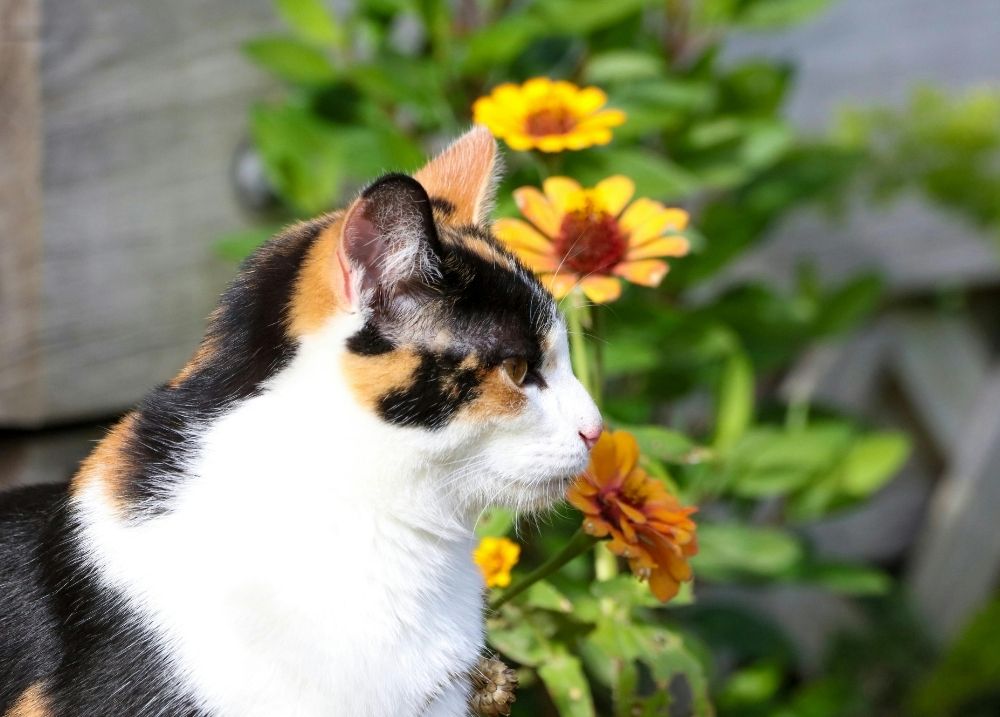
Garden plants toxic to cats

Common toxic garden plants

  • Azalea / Rhododendron
  • Foxglove
  • Yew
  • Oleander
  • Hydrangea
  • Ivy (many types)
  • Wisteria
  • Delphinium / Larkspur
  • Autumn crocus
  • Spring bulbs: tulips, daffodils, hyacinths

Extra outdoor cautions

  • Bulbs are often the most concentrated part (cats that dig are at higher risk).
  • Some plants have irritating sap (can affect skin/eyes and cause drooling).
  • Neighbour gardens can be a hidden source — if symptoms appear suddenly, think “plant exposure”.

Outdoor cats often have “mystery exposures”. If you’re unsure what was eaten, a photo of nearby plants can help your vet narrow it down.

Holiday Plants to Watch

These show up seasonally in homes and can cause problems if chewed:

  • Poinsettia
  • Mistletoe
  • Holly
  • Amaryllis
  • Christmas cactus (can still cause stomach upset if eaten)

“Is it always lethal?”

No — toxicity ranges from mild mouth irritation to true emergency. That’s why the “high-risk” list (especially lilies) matters so much.

Even “non-toxic” plants can cause vomiting if a cat eats a lot. The difference is the risk of severe organ damage.

The Big Quick-Scan List (Common Names)

This is a broad checklist of commonly encountered toxic plants/flowers (house + garden + bouquet). If you don’t see a plant here, it still may be unsafe — please check a trusted database.

Flowers & bulbs

  • True lilies (Lilium)
  • Daylilies (Hemerocallis)
  • Lily of the valley
  • Tulip
  • Hyacinth
  • Daffodil / Narcissus
  • Amaryllis
  • Autumn crocus
  • Cyclamen
  • Chrysanthemum
  • Hydrangea

Popular houseplants

  • Pothos / Devil’s ivy
  • Philodendron
  • Peace lily
  • Dieffenbachia (dumb cane)
  • Caladium
  • Elephant ear (Alocasia/Colocasia)
  • Snake plant
  • Dracaena
  • ZZ plant
  • Croton
  • Schefflera
  • Ficus (rubber plant/weeping fig)
  • English ivy
  • Asparagus fern
  • Aloe vera
  • Jade plant
  • Kalanchoe

Garden shrubs & serious risks

  • Azalea / Rhododendron
  • Oleander
  • Sago palm
  • Castor bean / castor oil plant
  • Foxglove
  • Yew
  • Wisteria
  • Delphinium / Larkspur
  • Ivy (various)
  • Holly
  • Mistletoe

If you want to be extra safe, keep a “cat-safe plant list” saved on your phone so you can check before buying anything new.

Not Sure About a Plant?

We’ve included a large guide, but we may not have listed every plant. Plant names also vary by region, and some plants have lookalikes.

  • If you don’t know what a plant is, take a photo and identify it first.
  • Double-check using a trusted toxic plant database (search by common name and scientific name).
  • If you suspect ingestion and your cat has symptoms, contact your vet immediately.

Safest mindset: verify before bringing any new plant or bouquet into a cat home.

We Want to Hear Your Success Stories!

Have you made your home safer for your cat — or found a brilliant cat-friendly plant setup?

Send us a photo and a tip — your cat could feature on our site and socials!

Share Your Story Leave a Review
Happy cat success story

Feature your cat!

Best Sellers