
Hydration plays a huge role in your cat’s overall health. Learn how to spot dehydration early, boost daily water intake, and use simple, healthy tools — including clean-ingredient hydration boosters — to keep your cat drinking happily.
Most cats don’t drink enough water. Their wild ancestors got most of their moisture from prey, not bowls, which means our modern indoor companions often sip far less than they need. Over time, this can lead to urinary issues, constipation, low energy, dry skin, and unnecessary stress on the kidneys.
The good news? Cats can be encouraged to drink more — with clever bowl setups, moisture-rich feeding habits, and clean hydration-support products that make water appealing without unhealthy additives.
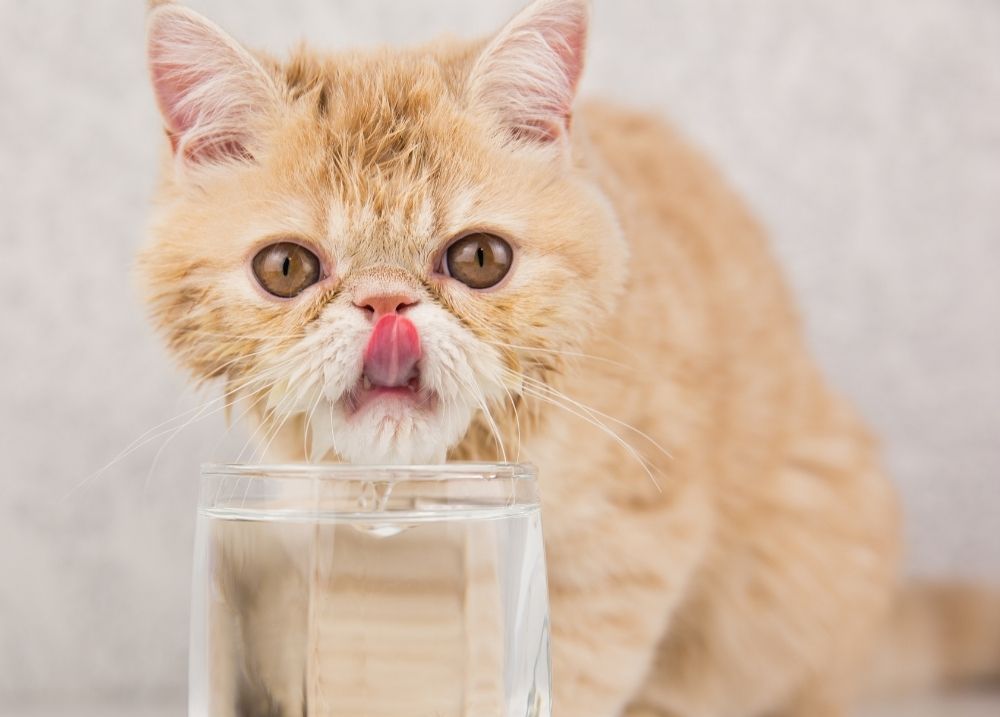
Healthy hydration supports:
Even mild dehydration can make your cat feel sluggish, irritable, or “off.”
Cats hide discomfort, so dehydration is easy to miss. Watch for:
If you spot several of these, hydration needs to become a daily priority.
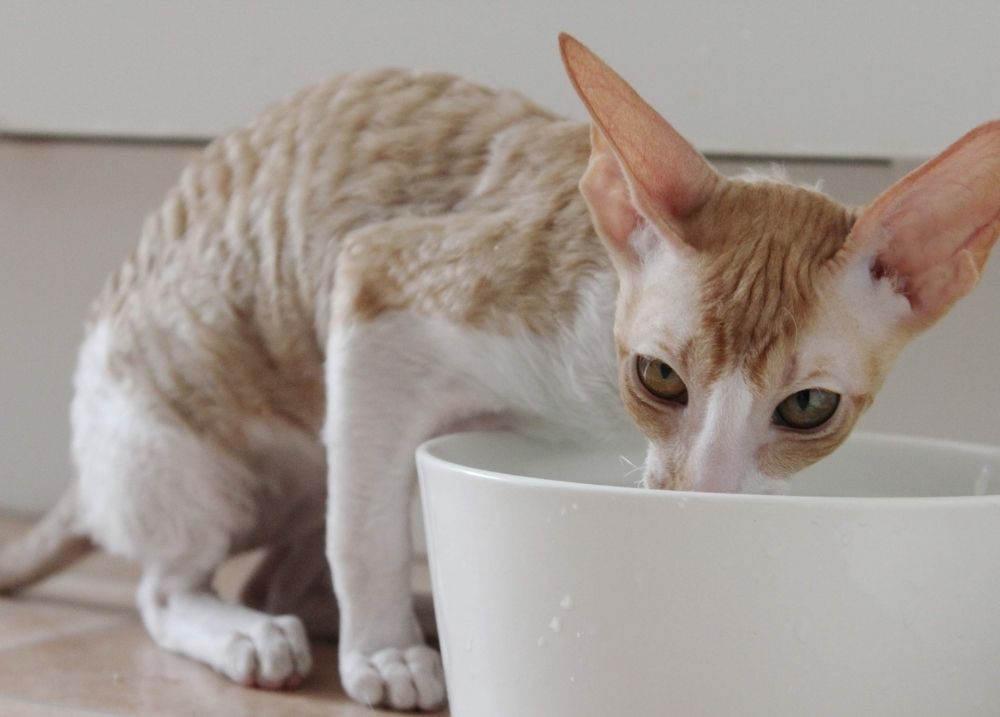
Goal: Make water easy and inviting to drink.
Daily Actions
What You’re Building: Easy access. Fresher-tasting water. More frequent sips.
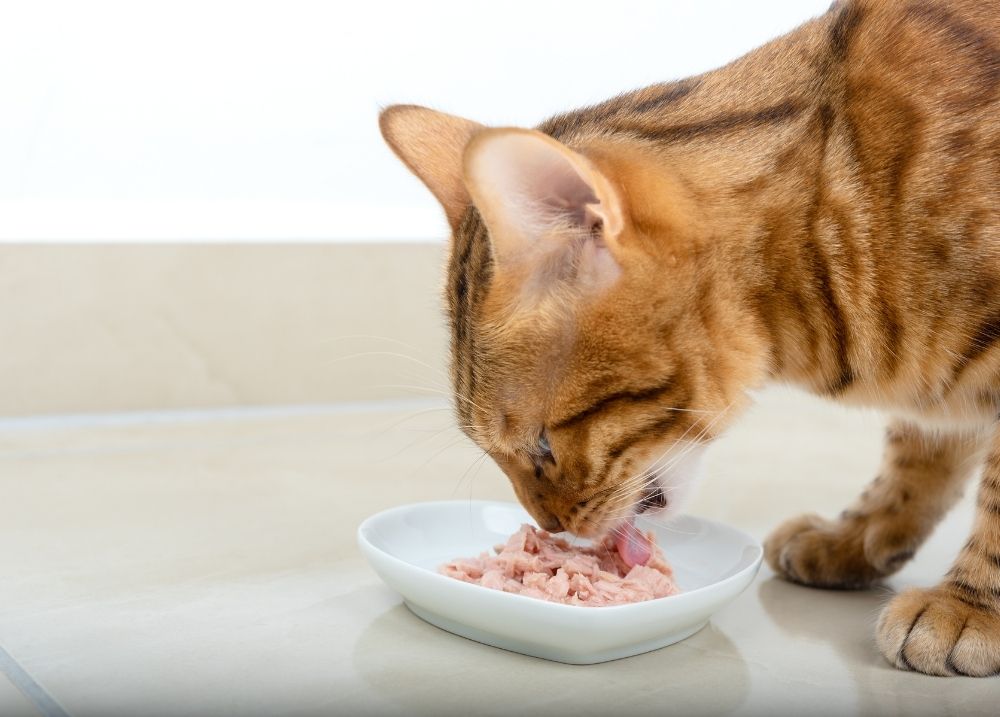
Goal: Add hydration through food, not just bowls.
Daily Actions
What You’re Building: More moisture in every meal with zero pressure to drink.
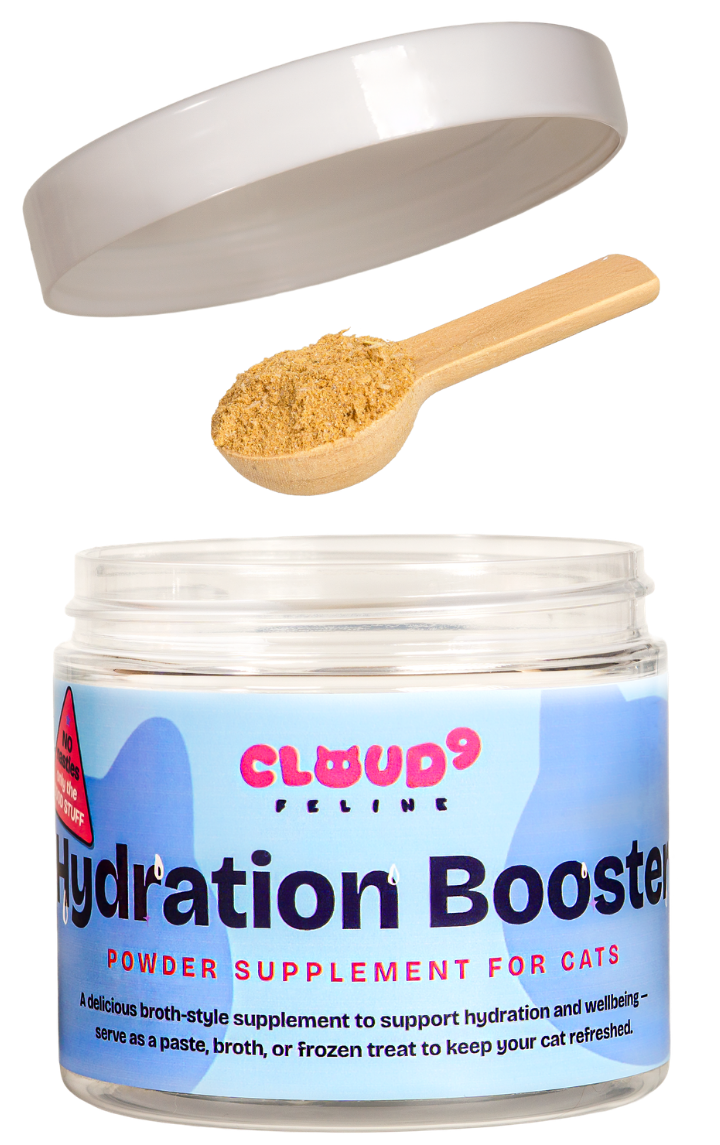
A hydration-support powder is one of the most reliable ways to encourage healthy drinking — especially when it’s made from clean, cat-safe ingredients with no artificial flavours, colours, or fillers.
Our Cloud 9 Hydration Booster contains no artificial flavours, no added sugars, no preservatives, no junk. Just healthy, functional ingredients cats genuinely enjoy.
What you’re building: better-tasting water and reliable daily intake.
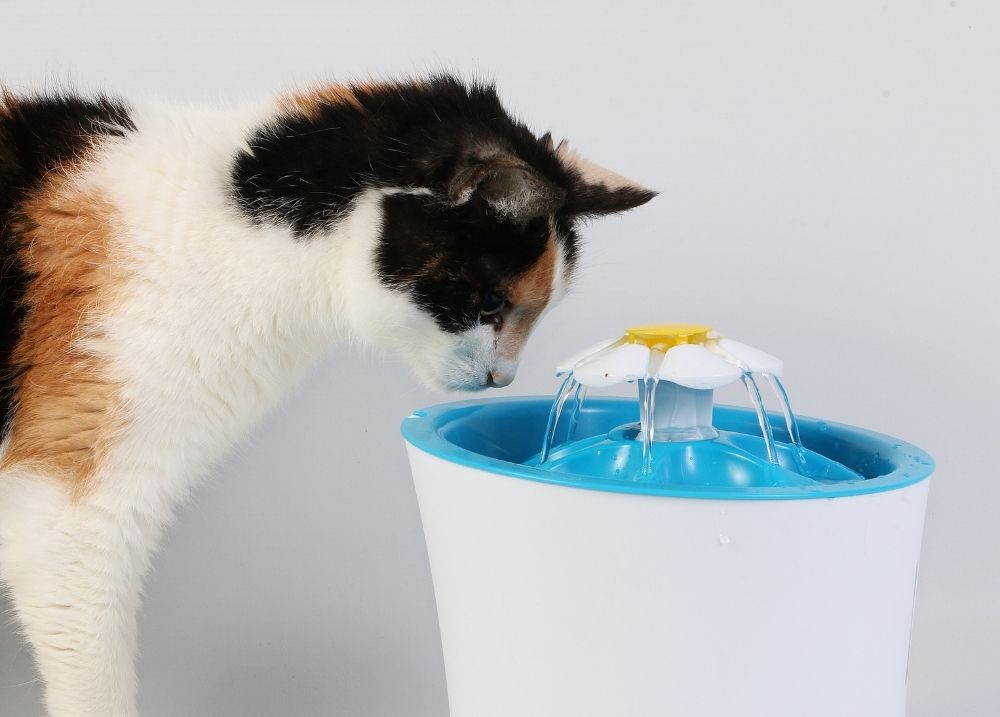
What You’re Building: Drinking becomes a small, positive event.
Hot weather: cooler rooms, frozen treats, water added to every meal, more bowls around the home.
Cold weather: cats often drink less in winter — use warm water, broth-like booster servings, and more frequent bowl refreshes.
On average, cats require 50–60 ml of water per kg of body weight per day. A 4kg cat needs around 200–240 ml daily. Many cats naturally fall short — which is why hydration strategies matter.
Highly Beneficial
Helpful Extras
Special Situations
Seek professional advice if your cat shows:
Have any of the Cloud9's formulas or accessories helped your cat feel happier, healthier, or more relaxed?
Send us a photo and a review - your cat could feature on our site and socials!
Share Your Story Leave a Review
Feature your cat!
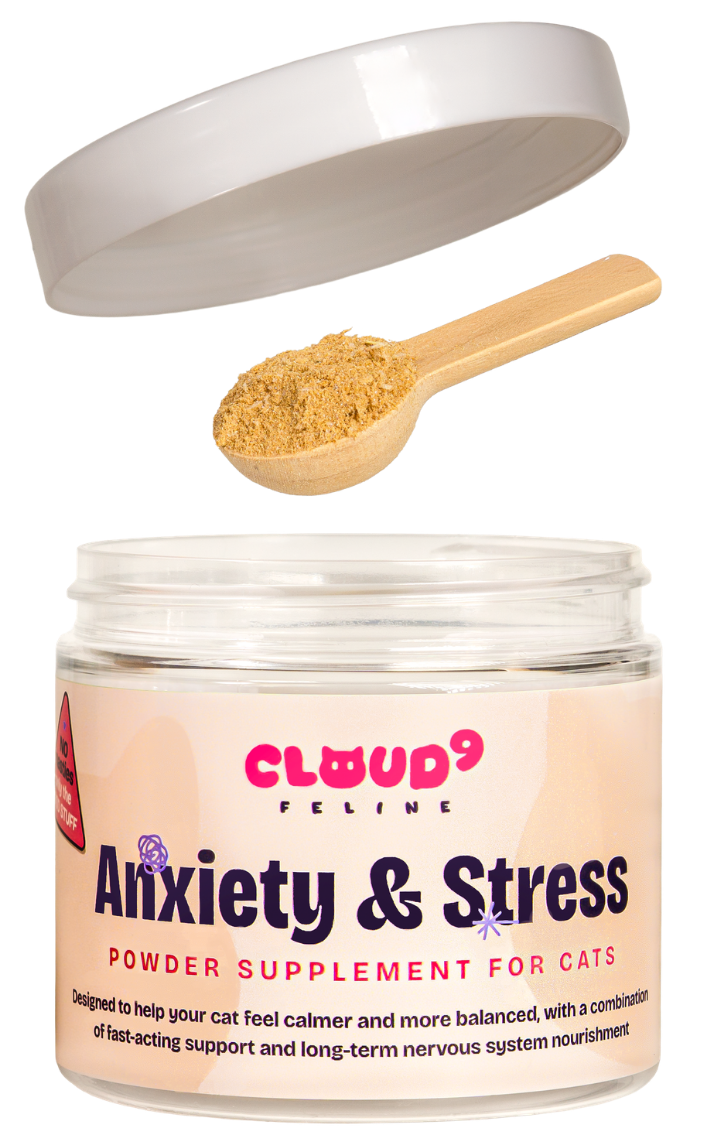
Stress & Anxiety
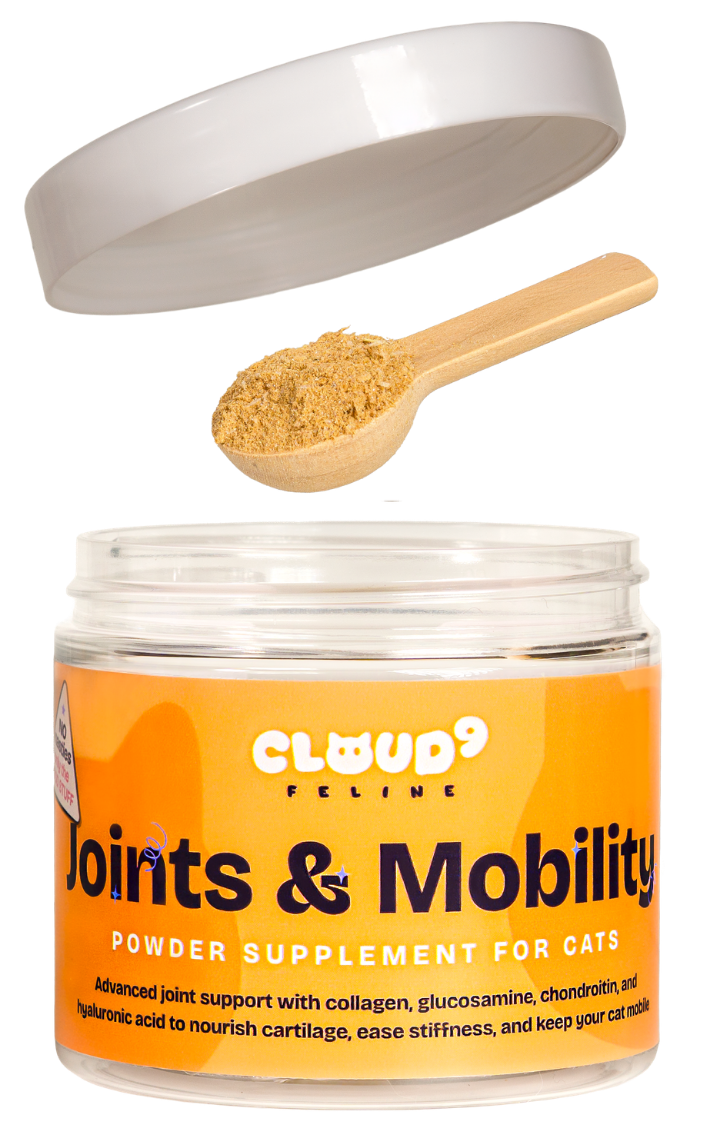
Joints & Mobility
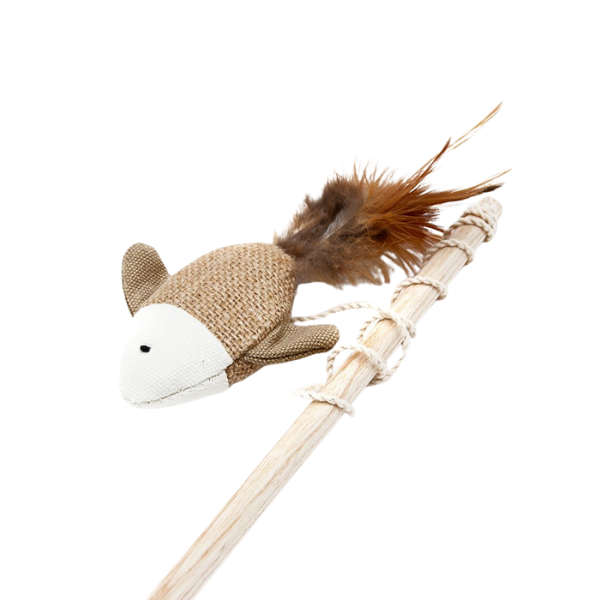
Teaser Wand
Skin & Coat
Catnip Mouse
Character Wand
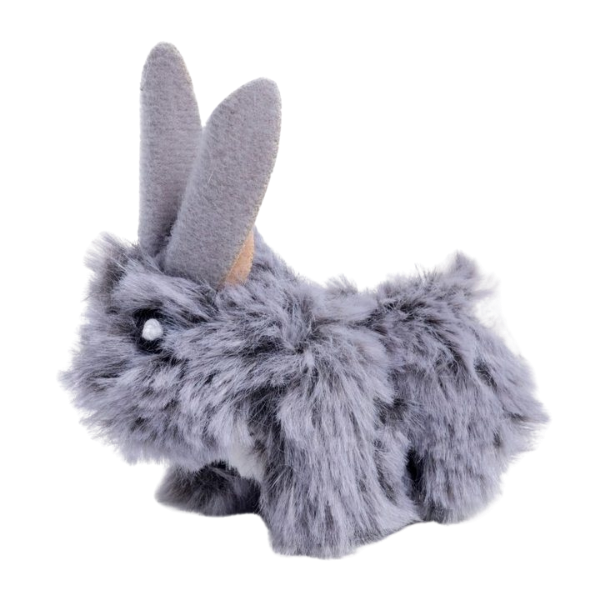
Catnip Rabbit
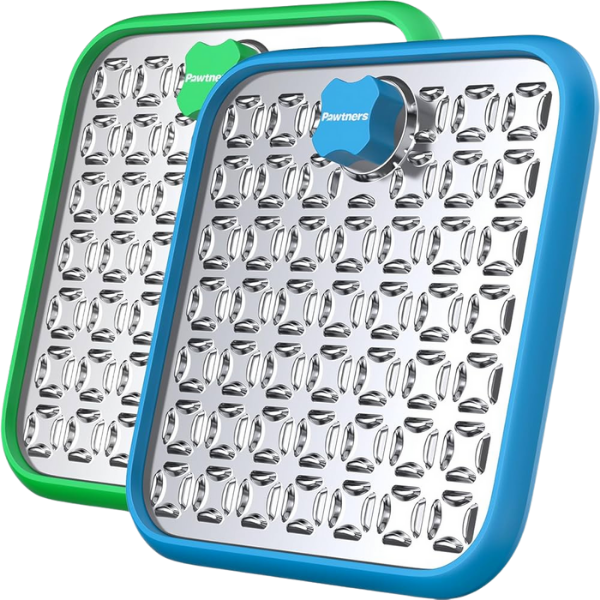
Steel Lickmat