← Back to Articles

Keep Cats Active (Joint-Friendly): A Mobility Guide for Stiff, Senior & Slower Cats

Gentle movement is medicine — when it’s done kindly.

When cats start moving a little slower, it’s easy to assume they’re “just getting older”. But stiffness, hesitating before jumps, reduced grooming, or less play can be signs that joints need support.

This guide is designed for cats who already have mobility challenges (and for anyone who wants to keep joints happy long-term). It covers:

  • Early signs of joint discomfort
  • Home set-ups that make movement easier (ramps, stairs, warm rest spots)
  • Joint-friendly play ideas that build confidence without overdoing it
  • Daily nutrition support and what to expect over time

Small changes — done consistently — can help your cat stay comfortable, confident, and more willing to move.
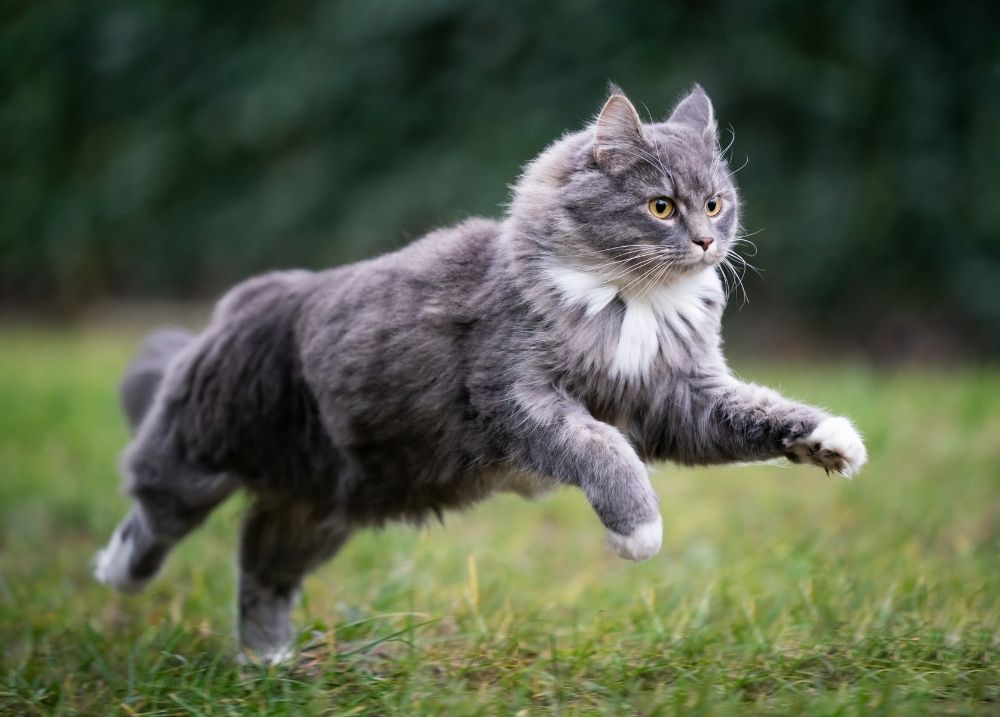
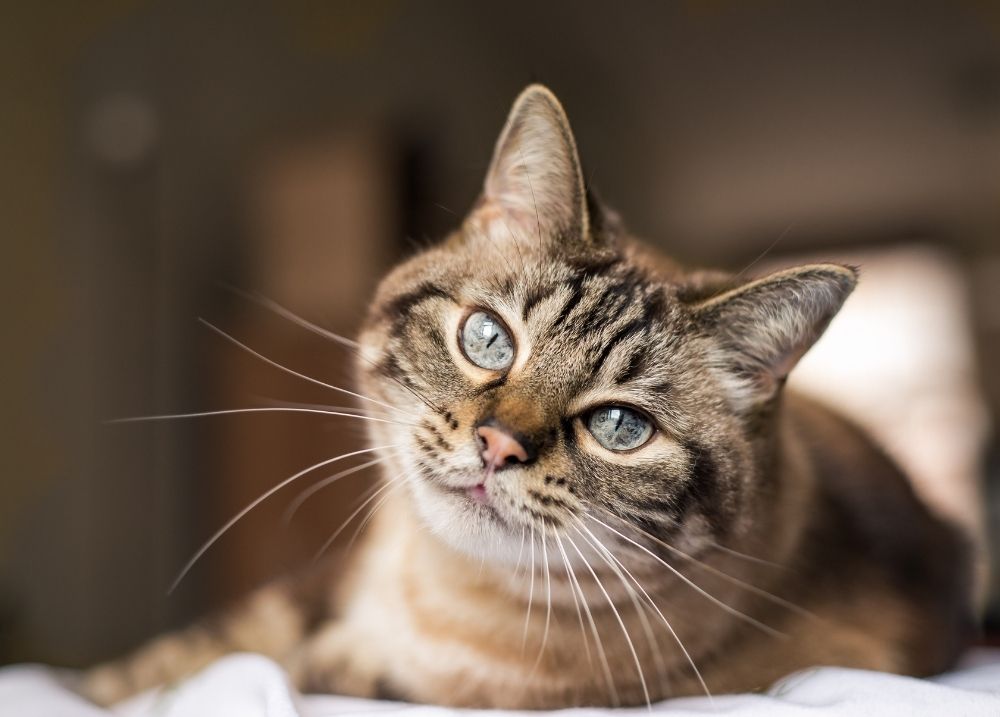
Cat relaxing comfortably
Tags: Mobility • Senior Cats • Joint Support • Home Comfort

Signs Your Cat May Need Joint Support

Cats are very good at hiding discomfort. Often the clues are small, gradual changes, such as:

  • Hesitating before jumping up or down (or avoiding jumps entirely)
  • Taking longer to stand up, or moving stiffly after naps
  • Using stairs differently, or preferring one route through the house
  • Reduced play, shorter zoomies, or stopping sooner than they used to
  • Grooming less (especially back/hips), or looking a bit “scruffy”
  • Changes in litter tray habits (struggling to step in, accidents nearby)
  • Grumpiness when touched around hips, back, or shoulders

If you suspect pain, a vet check is always the safest starting point — especially if changes are sudden.

The Joint-Friendly Approach

The goal isn’t to push activity — it’s to make movement feel safe and achievable again.

  • Reduce strain (stairs/ramps, softer landings, easier routes)
  • Keep them warm (warm resting spots and winter comfort)
  • Encourage gentle movement daily (short play, micro-walks, slow climbs)
  • Support from within (daily nutrition for joint structure and comfort)

Home Setup: Make Movement Easy (Without Limiting Freedom)

Goal: Reduce jumping strain while keeping your cat confident and independent.
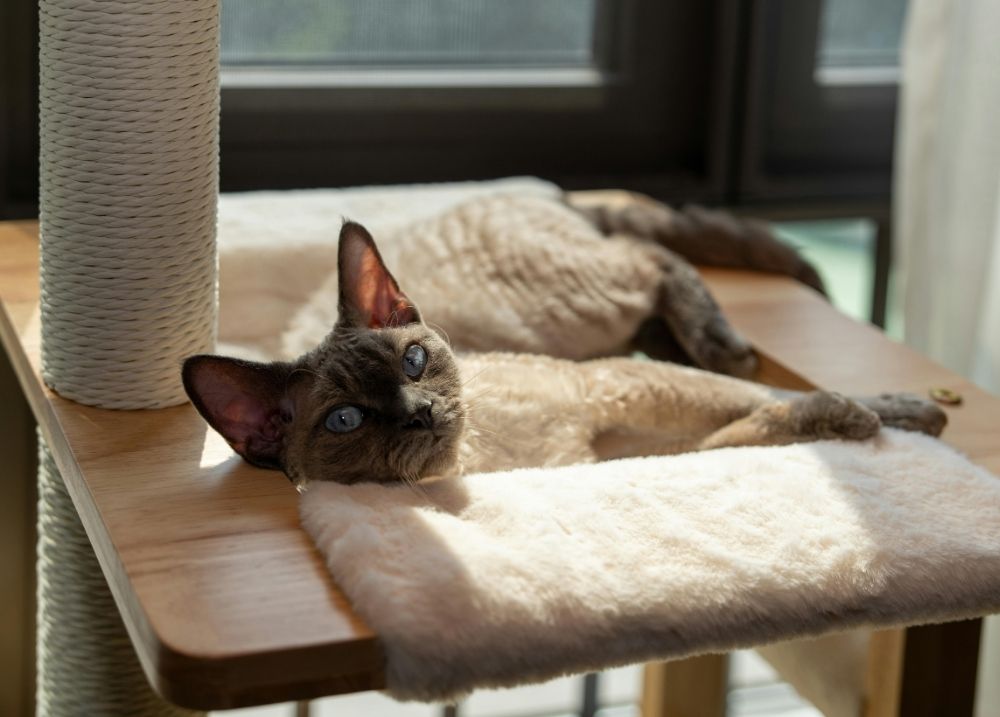
Cat using an easy climbing route

Simple Mobility Upgrades

  • Add steps/ramps to favourite spots. Sofas, beds, windowsills — anywhere your cat loves to be. A gradual climb can be much kinder than one big jump.
  • Create “easy climbing routes”. Use sturdy furniture, low stools, or stable platforms as stepping points.
  • Improve landing zones. Place a soft rug or foam mat where your cat jumps down most often.
  • Choose a low-entry litter tray. Especially helpful for cats with hip/knee stiffness.
  • Keep essentials close. Water, food, and a comfy bed should be easy to reach without a big climb.

Tip: If your cat avoids ramps at first, sprinkle a few treats along the route and let them explore without pressure.

Comfort & Warmth: Soft Bedding Makes a Real Difference

Goal: Support recovery after movement and reduce stiffness after rest — especially in winter.
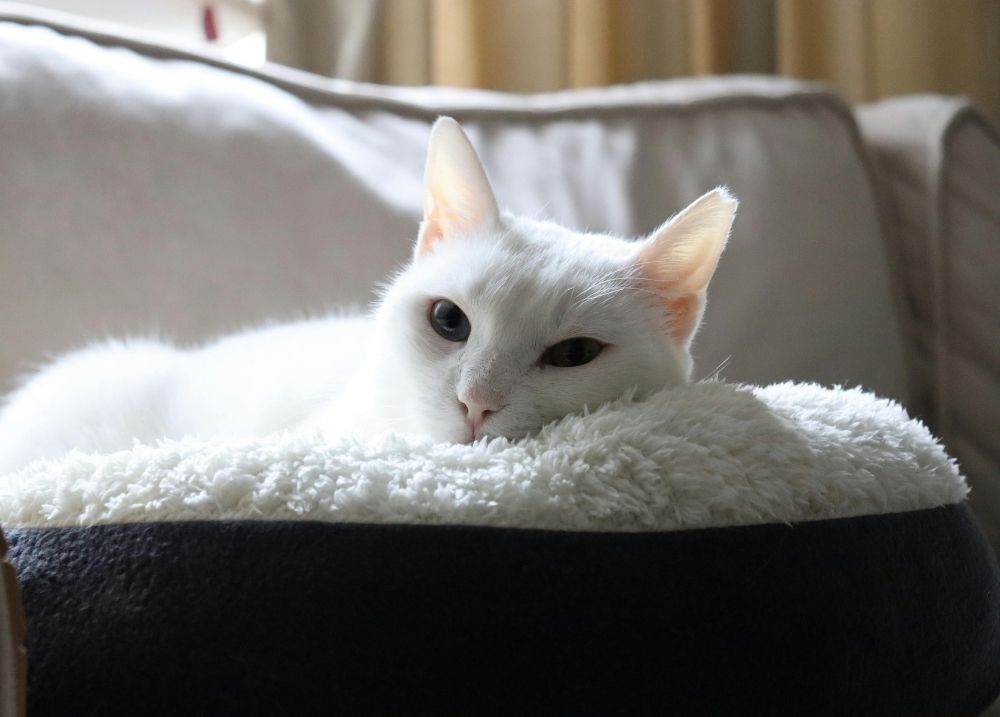
Cat resting in a warm cosy bed

Gentle Comfort Habits

  • Give them a warm, supportive bed. Jointy cats often do best with soft-but-supportive padding that cushions elbows/hips.
  • Offer multiple rest spots. One in the sunny area, one in a quieter warm corner, and one near family time.
  • Winter warmth matters. Draft-free areas and warm bedding can help reduce “stiff after naps” moments.
  • Keep nails trimmed. Long nails can change posture and make walking less comfortable.

Warmth + cushioning can be one of the quickest “quality of life” upgrades for stiff cats.

Gentle Play: Keep Them Moving Without Overdoing It

Goal: Encourage small daily movement that builds confidence and maintains mobility.
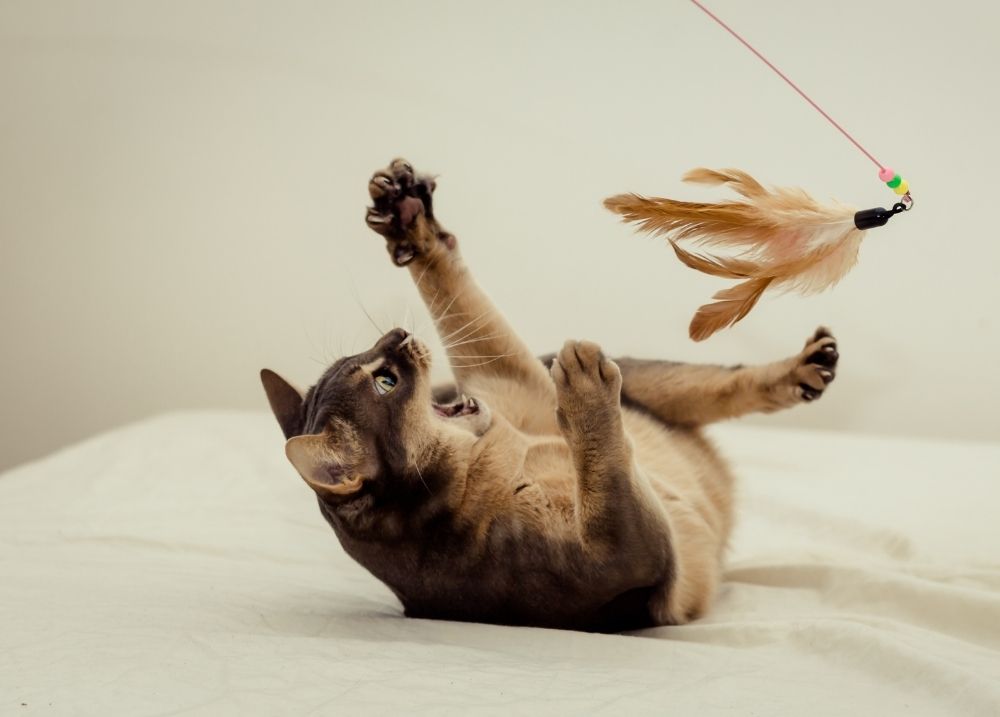
Cat doing gentle play

Joint-Friendly Play Ideas

  • Short sessions, more often. Think 2–5 minutes, 1–3 times per day — stop while they still feel good.
  • Keep play low to the ground. Drag toys slowly along the floor rather than encouraging big leaps.
  • Use “slow chase” patterns. Gentle swishes, pauses, and easy wins. Avoid frantic bouncing that causes awkward twists.
  • Encourage micro-climbs. One step up, a treat, one step down — tiny controlled movement is perfect.
  • End with calm. A small treat and a cosy rest reinforces that movement is safe and rewarding.

If your cat is stiff after play, reduce intensity and keep movement gentler and shorter next time.

Daily Movement That Doesn’t Feel Like “Exercise”

For some cats, “play” isn’t appealing when they’re uncomfortable — but movement can still happen in gentle ways:

  • Food trails: place a few kibbles/treats along an easy route
  • Two-bowl method: move the food bowl a small distance each day (only if your cat is happy)
  • Window time: encourage a short walk to a comfy viewing spot
  • Gentle grooming breaks: stand, stretch, treat — then rest

Weight & Joints

Even small weight changes can affect joint comfort.

  • Keep treats small and purposeful (especially when training ramps/steps).
  • Use short play to support a healthy routine without strain.
  • If your cat is overweight, your vet can help with a safe plan that supports joints.

When to Speak to a Vet

Home comfort changes help, but it’s important to get vet advice if you notice:

  • Sudden lameness or a rapid change in mobility
  • Visible pain, crying, or refusing to be touched
  • Not eating, hiding more than usual, or major behaviour changes
  • Struggling to use the litter tray, or repeated accidents
  • Weakness, dragging legs, or difficulty standing

Cats shouldn’t have to “push through” pain — a vet can help confirm what’s happening and discuss safe options.

Where Joints & Mobility Powder Fits In

Supportive home changes are powerful — and daily nutritional support can help from the inside out, especially when used consistently over time.

Our Joints & Mobility Powder is designed to support joint comfort, cartilage resilience, and smooth movement as part of a gentle daily routine. It isn’t a cure, but it can be a simple habit that pairs well with warm rest spots, easy climbing routes, and short play sessions.

Joints & Mobility supplement jar

What’s In the Blend (and why it’s there)

  • Green Lipped Mussel — provides natural support for joint comfort and mobility
  • Glucosamine + Chondroitin — helps support cartilage health and joint cushioning
  • Hydrolysed Collagen — supports the connective tissues that help keep joints strong and flexible
  • MSM — helps support flexibility and ease of movement
  • Hyaluronic Acid — supports healthy joint lubrication for smooth, comfortable motion
  • Boswellia — plant-based support for mobility and everyday comfort
  • Vitamin E — provides antioxidant support for joint and tissue health
  • Salmon + Chicken Liver — makes the blend extra tasty for easy daily feeding

How to Use It

  • Mix into food daily as part of a calm routine
  • Consistency matters most — think “daily support”, not quick fixes
  • Pairs best with gentle movement, warmth, and easy-access climbing routes

We Want to Hear Your Success Stories!

Have you helped your cat stay more comfortable and active with home changes, routines, or joint support?

Send us a photo and a review — your cat could feature on our site and socials!

Share Your Story Leave a Review
Happy cat success story

Feature your cat!

Best Sellers