
Cats are experts at hiding discomfort, so skin issues often show up as subtle behaviour changes first: over-grooming, scratching, hair thinning, or avoiding touch.
This guide helps you identify what you’re seeing, understand common causes (fleas, allergies, mites, infection, stress and more), and choose safe next steps.
We’ll cover three skin-friendly pillars:
Important: This is general guidance, not a diagnosis. If your cat has sores, severe itch, or symptoms that keep returning, a vet check is the safest next step.
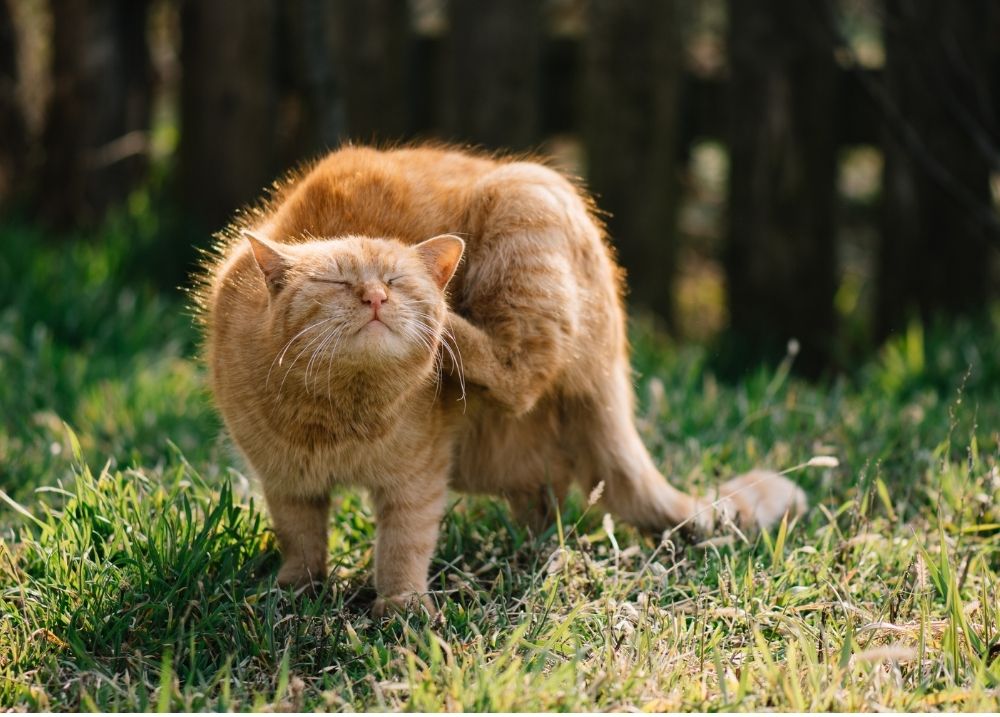
It’s normal for cats to scratch occasionally or shed seasonally. It’s not normal if you notice:
Location can give helpful clues (not a diagnosis — just a pattern to notice).
Goal: Clear up the most common itchy-skin myths fast.
Fast Facts
If your cat has open sores, severe itch, or looks unwell, speak to a vet rather than trying lots of changes at once.
Many cats show itch through behaviour first:
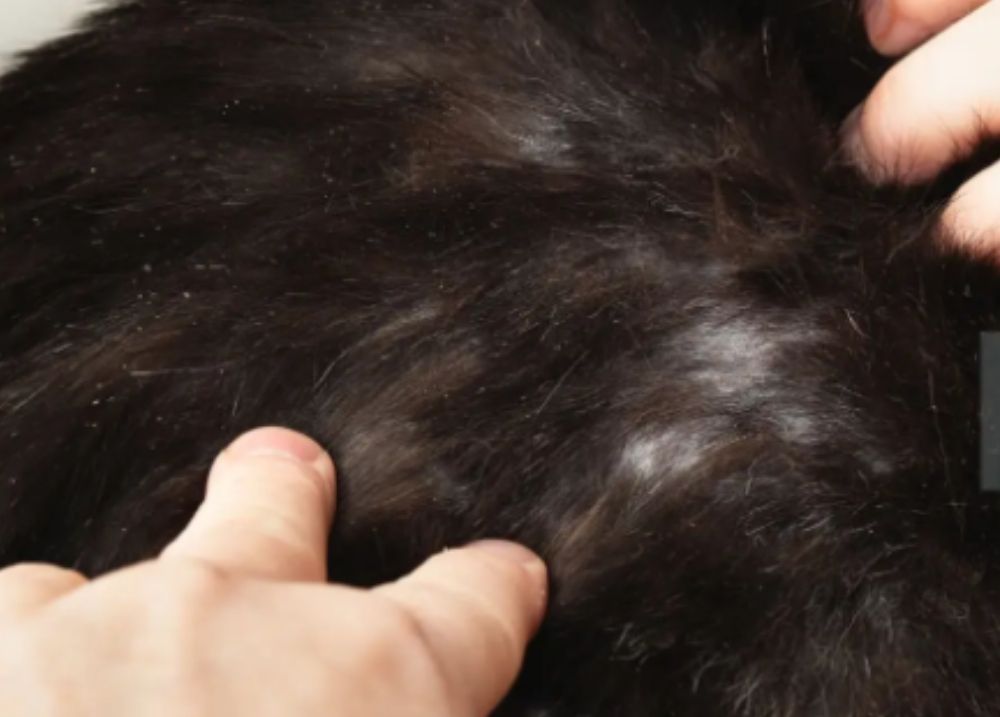
Look closely (a torch helps). Common signs include:
Goal: Help you recognise the “usual suspects” behind itching and coat change.
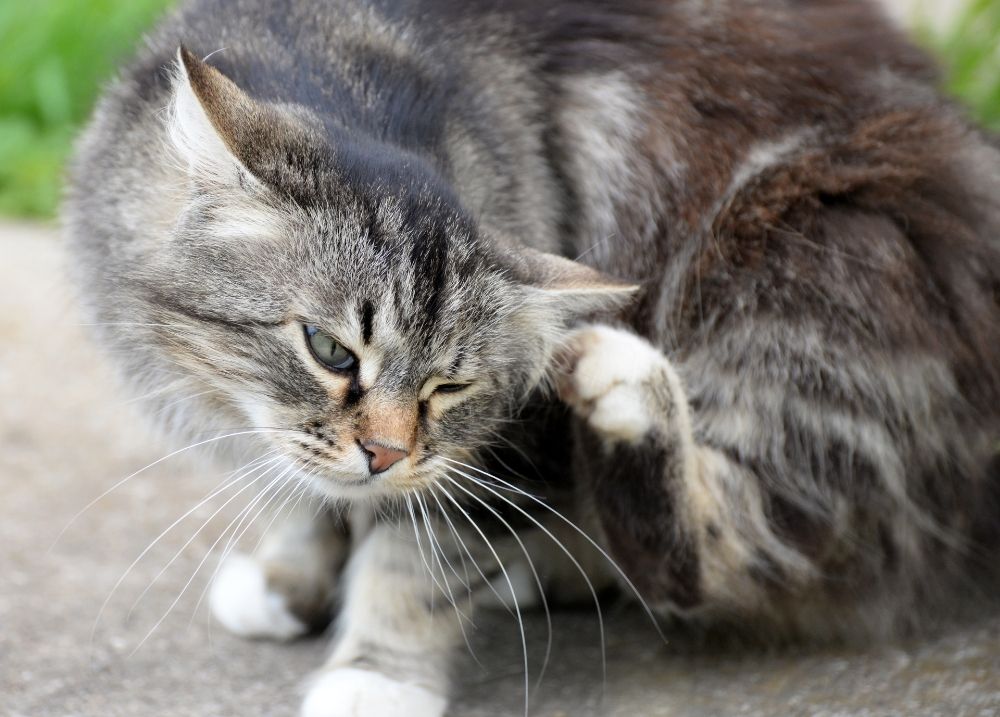
The Most Common Triggers
If you’re unsure, start with the most common: check fleas, reduce irritants, and speak to a vet if symptoms persist.
If you see tiny black specks in the coat (especially around the back end), it might be flea dirt.
Even indoor cats can get fleas, so it’s worth checking when itch appears suddenly.
Cat acne can look like “dirt” that won’t brush off, sometimes with crusting or swollen bumps.
Goal: Remove loose hair, spread natural oils, and prevent matts that can pull on skin.
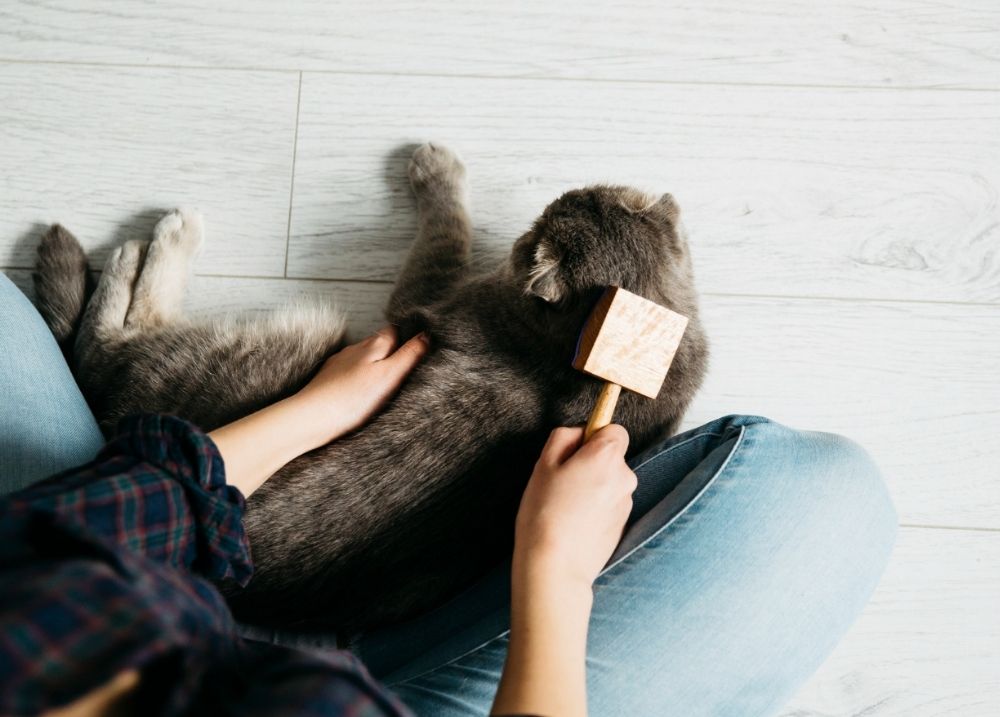
Brushing Tips (Especially for Long-Haired Cats)
How to Handle Matts Safely
If matts are large, close to the skin, or your cat won’t tolerate handling, a vet or groomer is safer than trying to cut at home.
Regular brushing helps lift loose hair, spread natural oils, and can reduce irritation from tangled coat — especially in long-haired cats.
A gentle everyday slicker suitable for short and long-haired cats. The protected pins make it a nice option for frequent brushing without feeling too “scratchy”.
Great for long-haired cats and for working carefully through tangles and early matts. Ideal when you need a softer feel while still reaching into the coat.
Goal: Reduce irritation triggers and help skin recover.

If your cat is intensely itchy, home habits help — but persistent itch usually needs a vet-led plan.
It’s worth getting help early if you notice any of the following:
Many skin problems look similar at home — a vet can help identify the cause and prevent weeks of trial-and-error.
Skin issues can have many causes (fleas, allergies, mites, infection, stress). Your first step should always be identifying the trigger — especially if your cat is very itchy or has sore skin.
For everyday support, our Skin & Coat Powder is designed to nourish the skin barrier and support coat quality from within. It isn’t a cure for fleas, infection, or allergy — but it can be a helpful daily routine alongside grooming and skin-friendly habits.
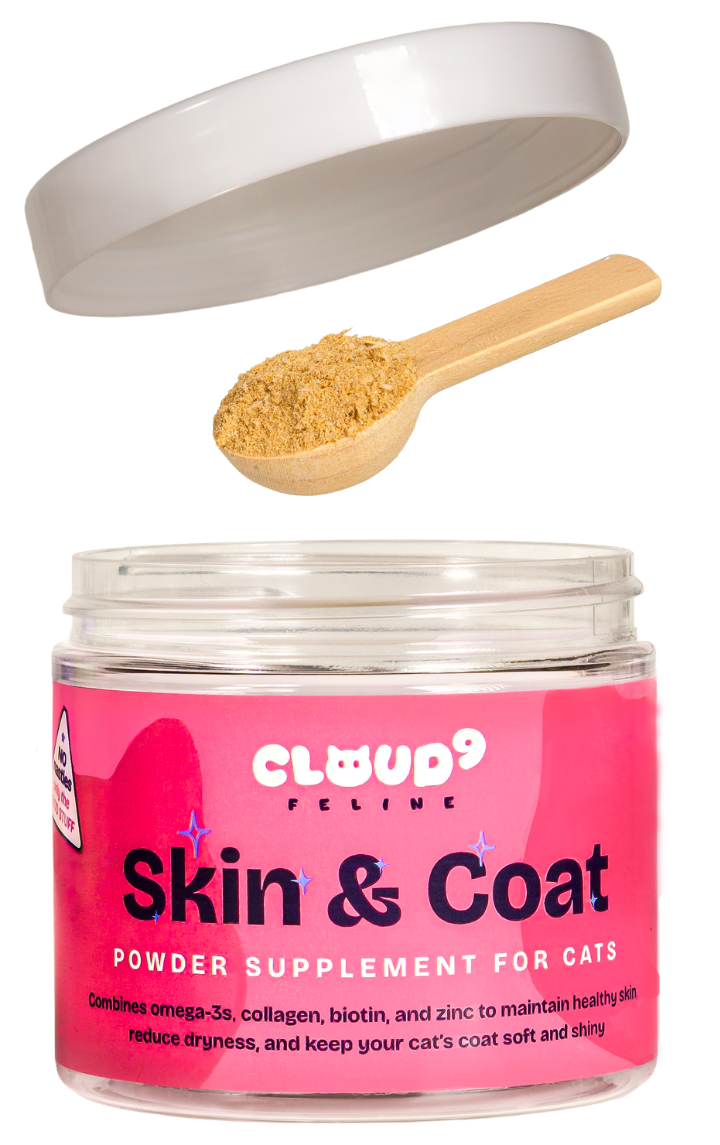
Have you found a routine that helped your cat’s coat look healthier or reduced itching and over-grooming?
Send us a photo and a review — your cat could feature on our site and socials!
Share Your Story Leave a Review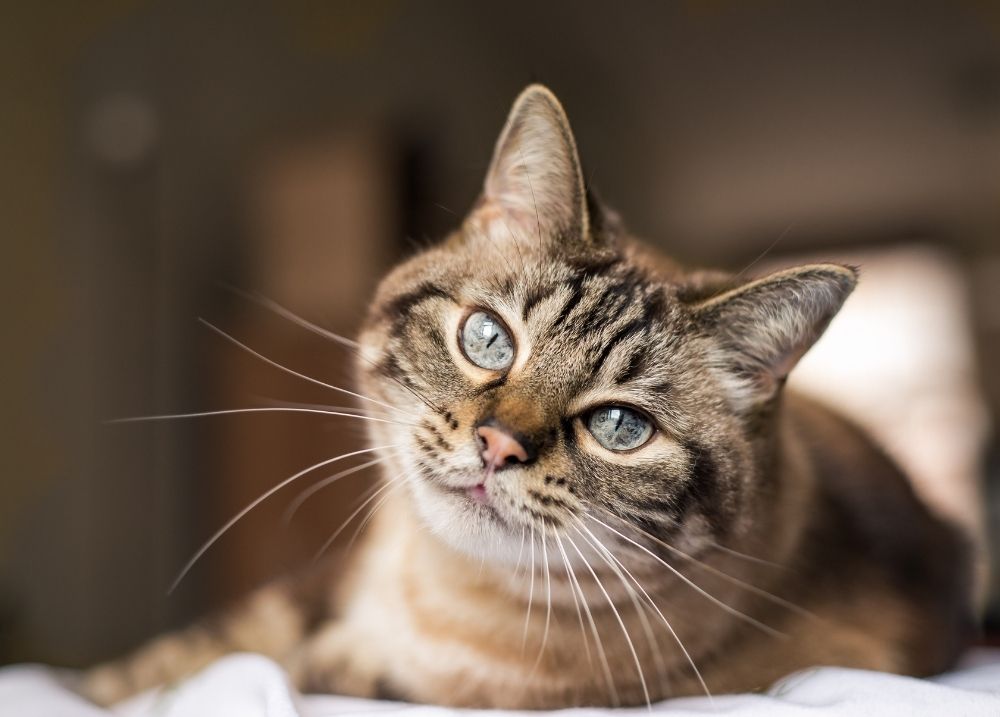
Feature your cat!
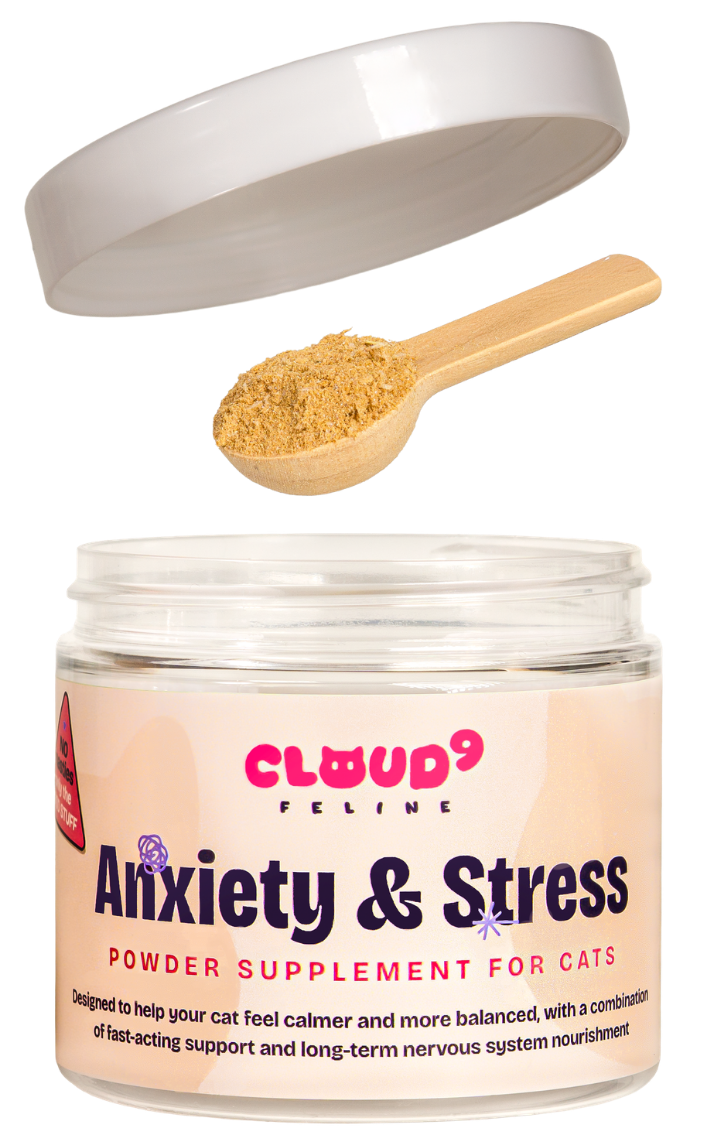
Stress & Anxiety

Joints & Mobility
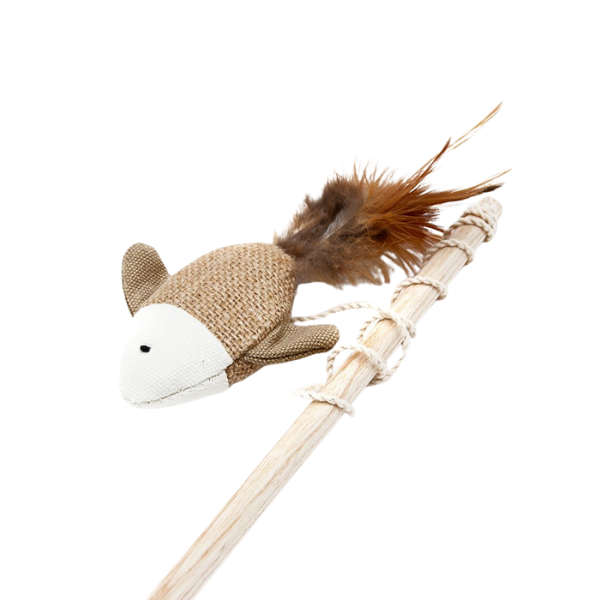
Teaser Wand

Skin & Coat
Catnip Mouse
Character Wand

Catnip Rabbit
Steel Lickmat