
A nervous cat does not need pressure or a strict training plan. They need to feel safe, comfortable, and understood in their own home.
Anxiety in cats is more common than many owners realise. Some cats hide, over-groom, become clingy, stop eating properly, lash out, toilet outside the tray, or simply seem constantly on edge. Others become quieter than usual and lose confidence in their routine.
If your cat seems stressed, the first step is not forcing progress. It is making sure they have everything they need day to day, then trying to understand what may be making them anxious.
Once you know what your cat needs and what may be upsetting them, you can support them much more effectively through routine, trust, play, comfort, and consistent care.
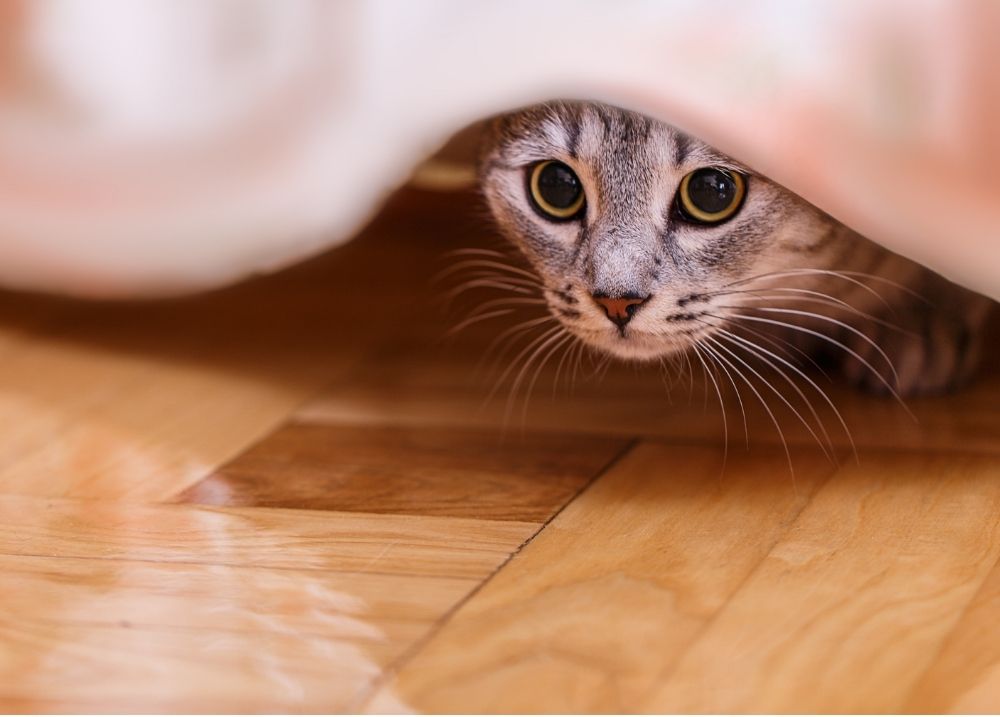
Cats do not always show stress in obvious ways. Often, the signs are subtle at first.
If these behaviours are sudden, severe, or unusual for your cat, it is always worth considering whether pain, illness, fleas, digestion issues, or another physical problem may be involved too.
Before trying to fix the anxiety itself, make sure your cat feels safe, comfortable, well cared for, and secure in its daily routine. This is the foundation for everything else.
A cat that feels safe and settled at home is far more likely to relax and regain confidence.
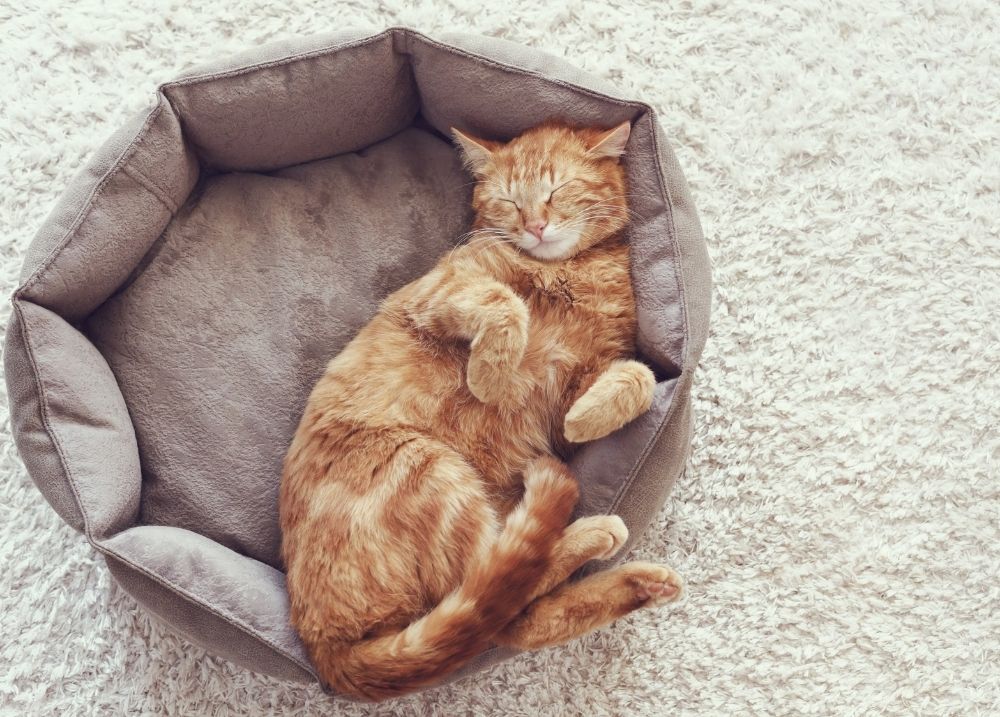
What to Check
Litter setup matters more than many people realise. Some cats dislike hooded trays, flap doors, or certain litter textures such as wood pellets or paper. If your cat seems reluctant to use the tray, the setup itself may be part of the problem.
Once your cat’s basic needs are covered, the next step is understanding what may be making them anxious.
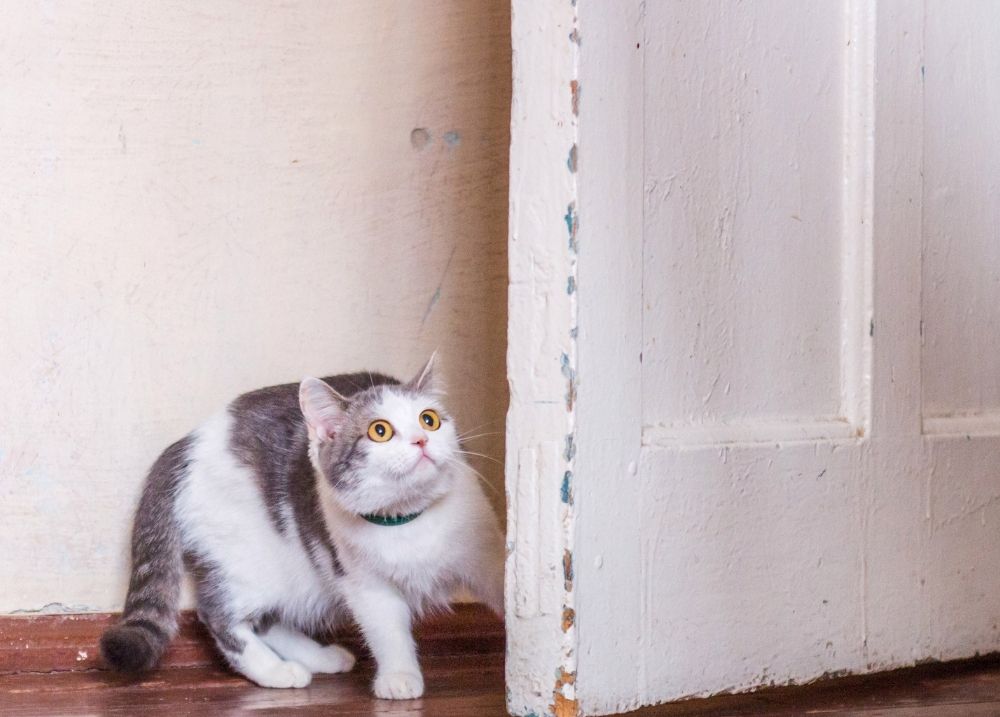
Common Triggers
If you do not know exactly what the problem is yet, that is okay. Simply observing your cat more closely can help you spot patterns over time.
Once you have an idea of what may be upsetting your cat, you can respond in a way that actually helps.
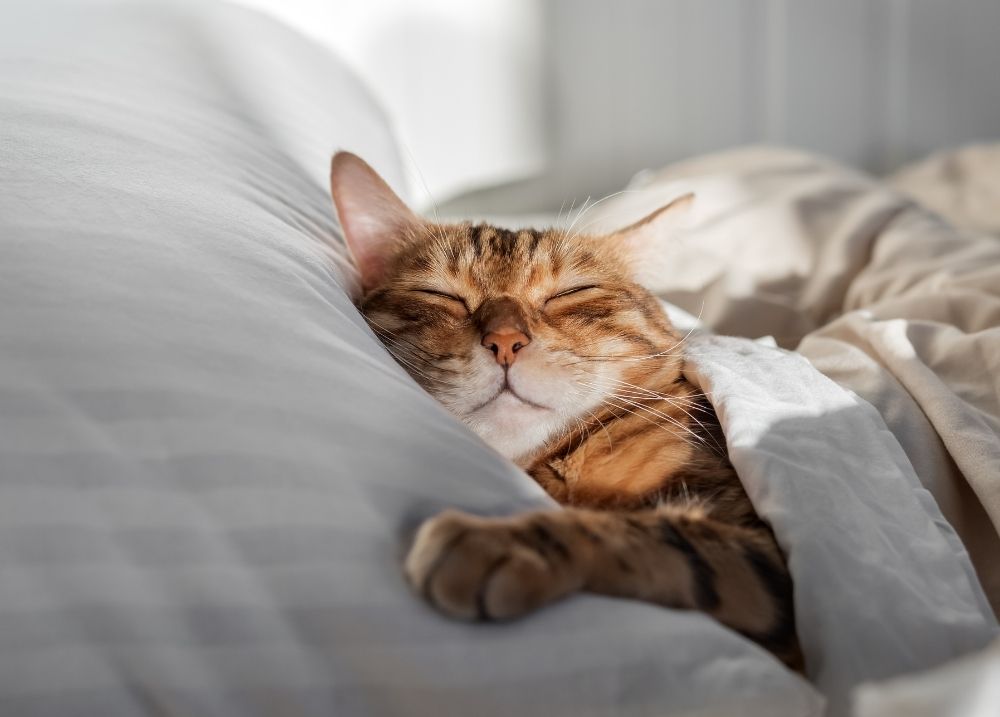
Practical Ways to Help
The more closely your response matches the real cause, the more useful it will be.
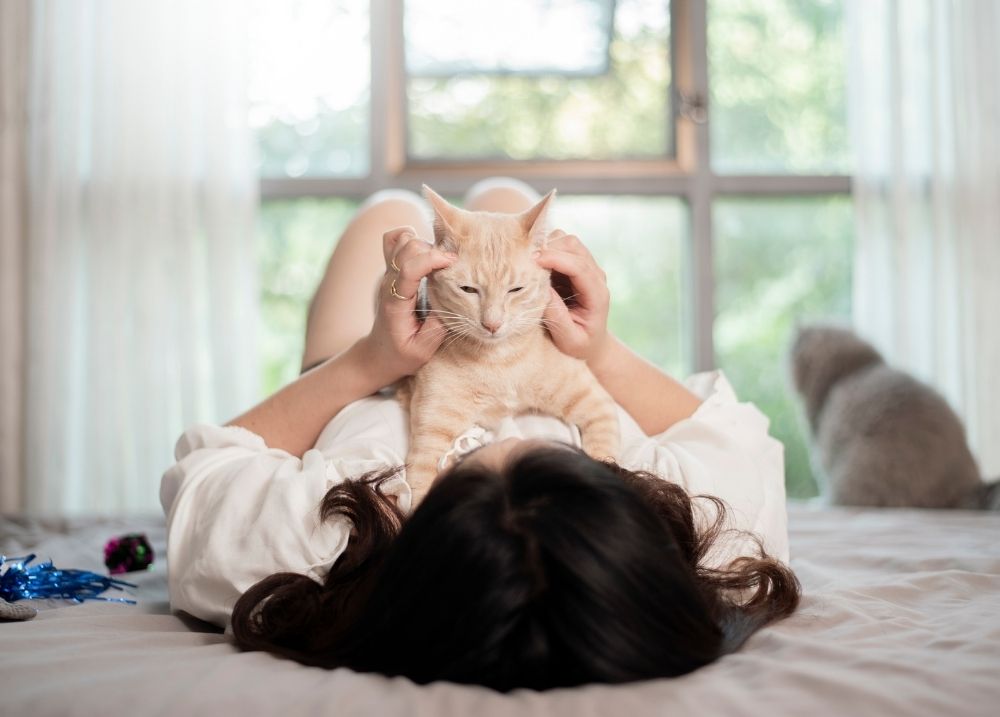
Cats thrive on predictability. Routine and positive interaction can make a huge difference to an anxious cat over time.
Simple Daily Habits
Play is not just entertainment. It helps your cat burn nervous energy, stay mentally stimulated, and strengthen its bond with you.
Looking after your cat’s coat and skin is another important part of support, especially for outdoor cats or cats that are prone to stress-related over-grooming.
These little check-ins help you pick up problems early and can also become part of a comforting routine for your cat.
When a cat feels anxious, consistency can make a huge difference. Regular mealtimes, a clean litter tray, familiar sleeping spots, predictable play, and calm daily contact all help your cat feel more secure.
Try not to change too many things at once. Small, steady routines are often far more effective than constantly switching foods, moving things around, or trying lots of different approaches in a short space of time.
It is also important to remember that progress can be gradual. Some cats settle quite quickly, while others need a longer period of calm, patience, and reassurance before they start to feel more confident.
If you are worried about your cat’s behaviour, eating habits, or overall wellbeing, speak to your vet for advice.
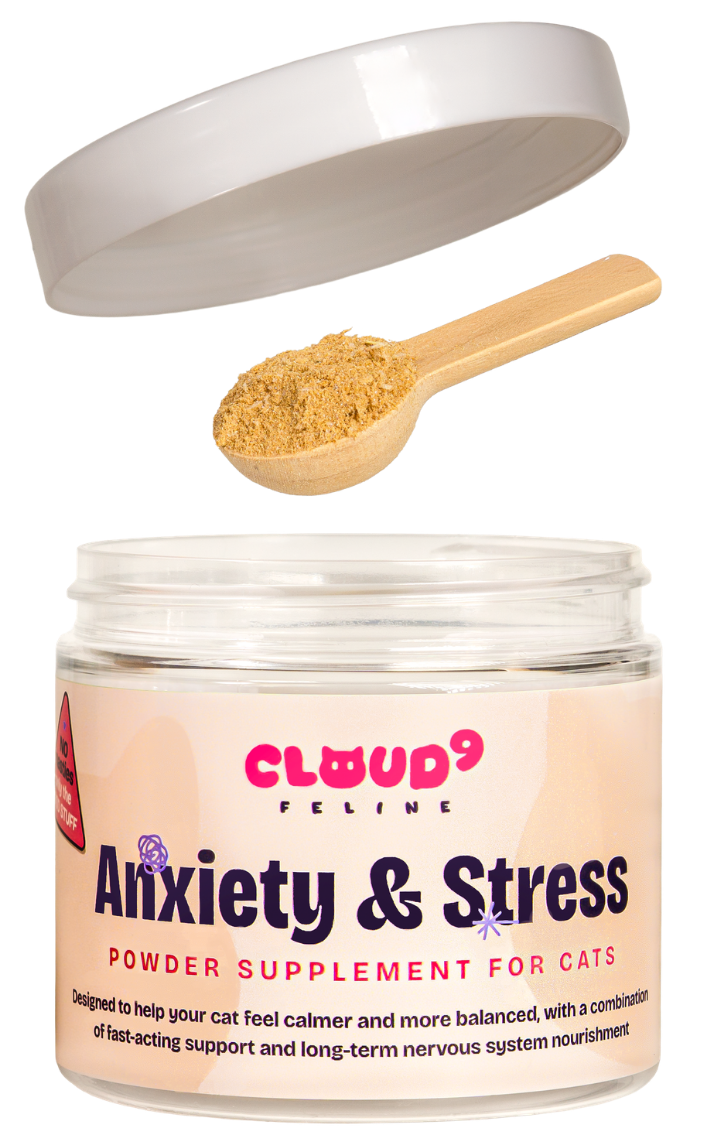
Alongside all of the above, using our Cloud9 Stress & Anxiety supplement can help support both short and long term stress in cats. It is designed to work as part of a wider routine, not as a quick fix on its own.
It works best over the course of 4-6 weeks with consistent daily use. That steady approach gives the ingredients time to support your cat properly while you also improve routine, comfort, play, trust, and overall wellbeing.
Have any of the Cloud9's formulas or accessories helped your cat feel happier, healthier, or more relaxed?
Send us a photo and a review — your cat could feature on our site and socials!
Share Your Story Leave a Review
Feature your cat!

Stress & Anxiety

Joints & Mobility
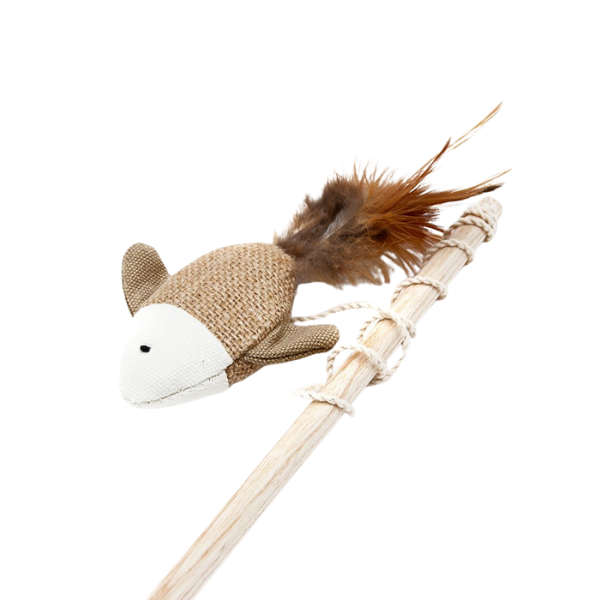
Teaser Wand
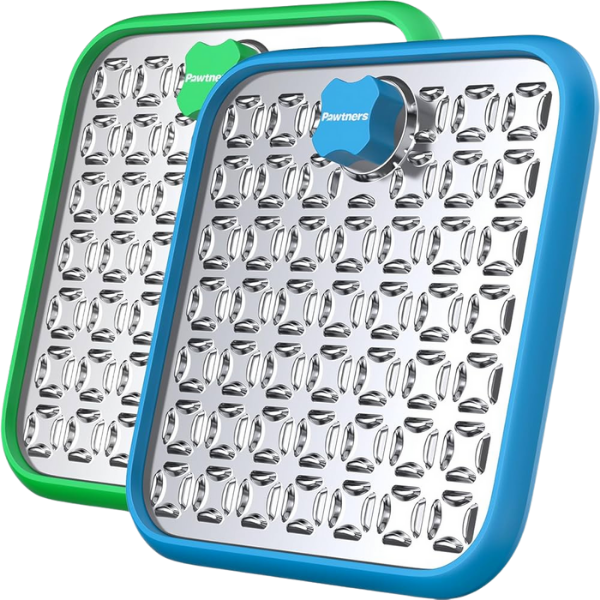
Skin & Coat
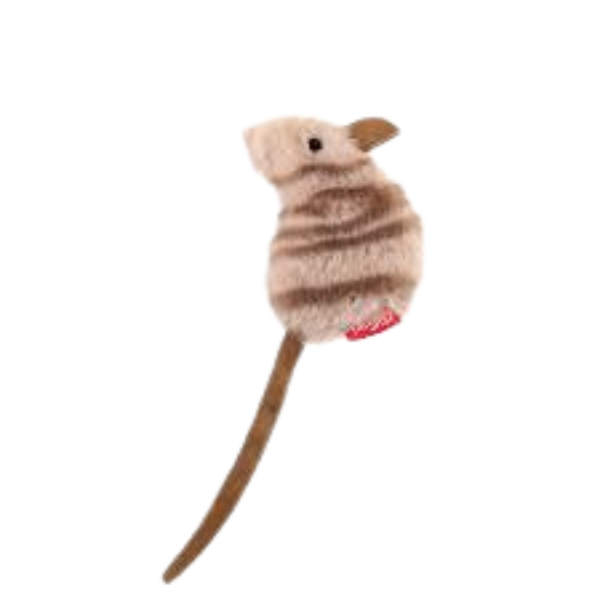
Catnip Mouse
Character Wand
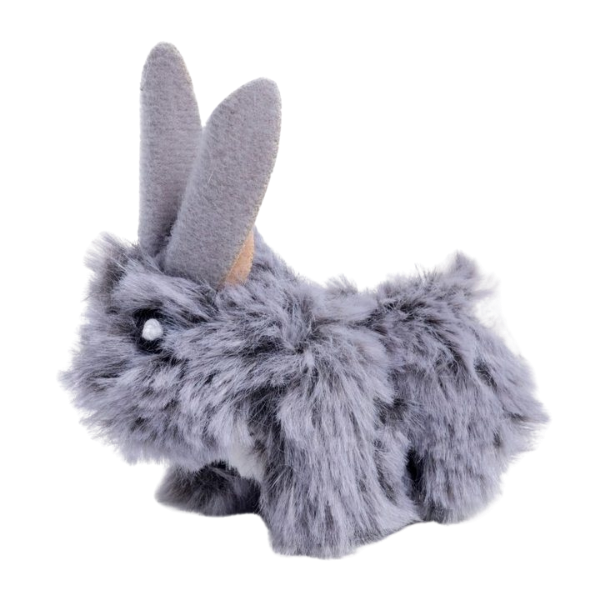
Catnip Rabbit
Steel Lickmat