
The strongest cat bonds usually come from the same simple pattern: your cat learns you’re predictable, gentle, and good at listening.
This guide is full of realistic, everyday ways to build trust and closeness — whether you’ve got a shy rescue, a confident cuddle-bug, or a “I love you but from over there” cat.
We’ll focus on three bonding pillars:
And yes — “nap bonding” is absolutely a thing.
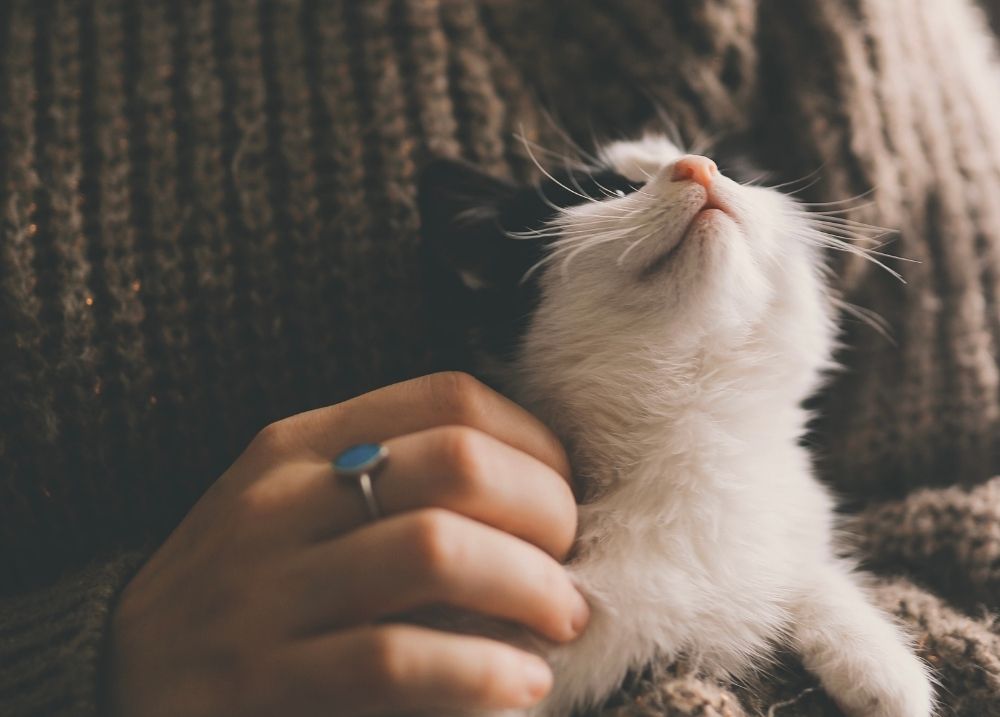
If your cat doesn’t want to be picked up, fussed, groomed, or played with in that moment — forcing it usually teaches them one thing: “humans don’t listen.”
Trust grows fastest when your cat learns their boundaries will always be respected.
Cats are subtle. These are common signals to stop or slow down:
Goal: Become the calm, familiar voice your cat trusts.
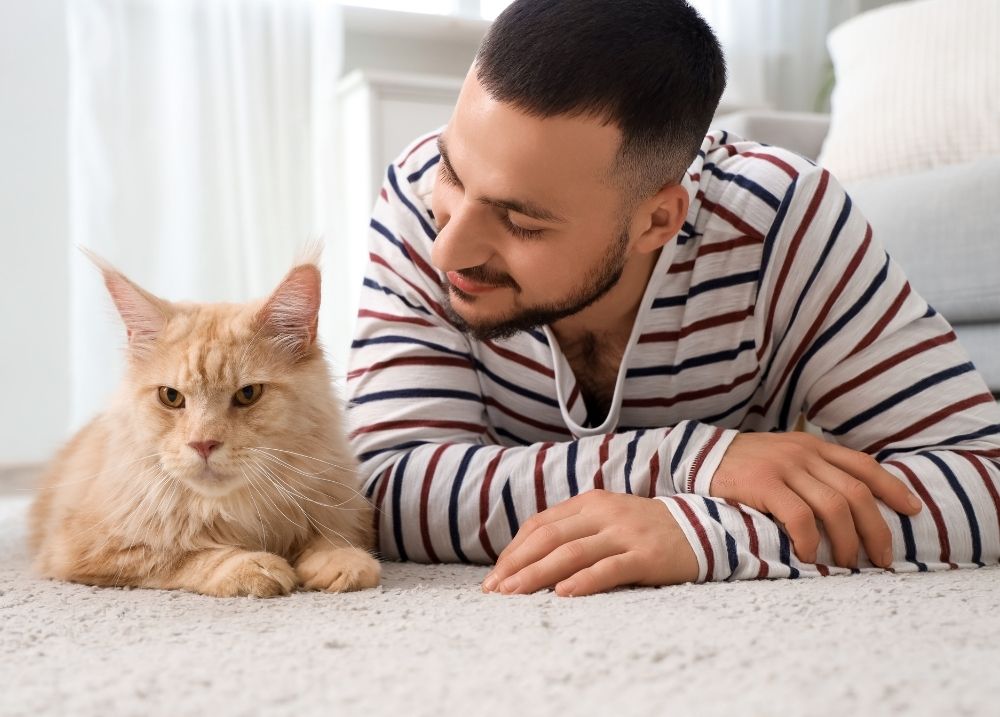
Cats learn patterns in tone and rhythm. A calm voice can become a “safe cue” that you’re friendly, predictable, and not a threat.
Over time, your cat starts to link your voice with comfort and safety — it’s a subtle bond-builder.
Goal: Notice patterns so you can respond to what they actually want.

Most cats develop different meows for different needs — and body language is often even clearer.
When you respond consistently, your cat learns you “get them” — and that builds a very strong bond.
Goal: Build confidence, reduce stress, and create shared “fun rituals”.
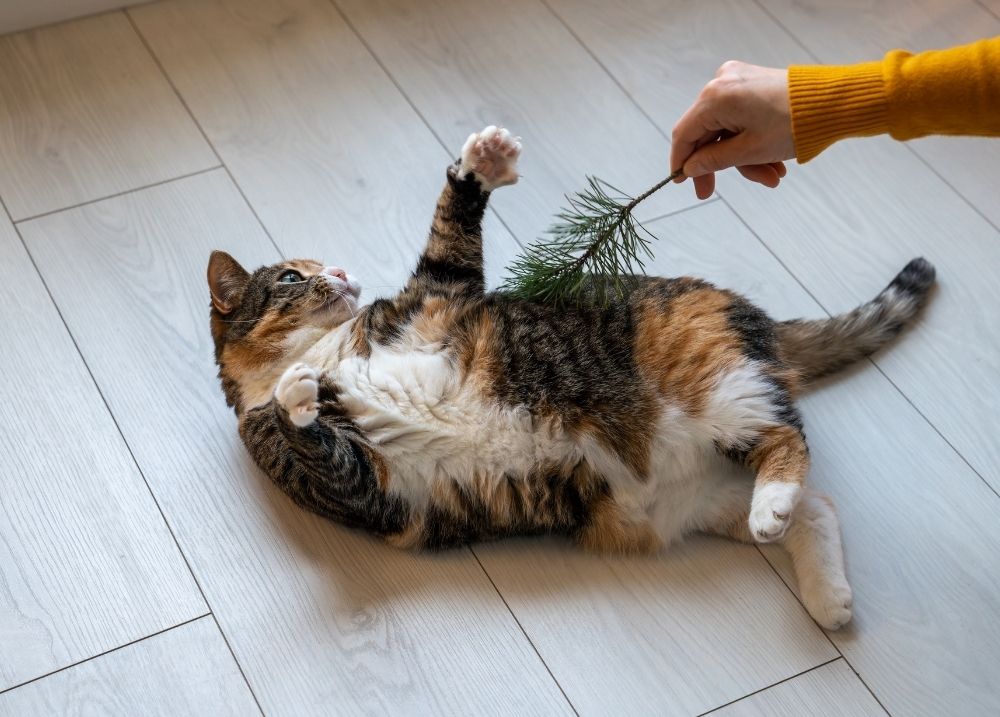
Play is more than exercise. For many cats, it’s how they feel connected to you — especially cats that aren’t big cuddlers.
If your cat is shy, start with play at a distance. It’s bonding without pressure.
Many cats love to nap with you because sleep is a vulnerable state — choosing to sleep near you is a big trust signal.
If your cat naps near you, you’re doing something right.
For nervous or new cats, towering over them can feel intimidating.
Goal: Create calm zones that make your cat feel secure and in control.
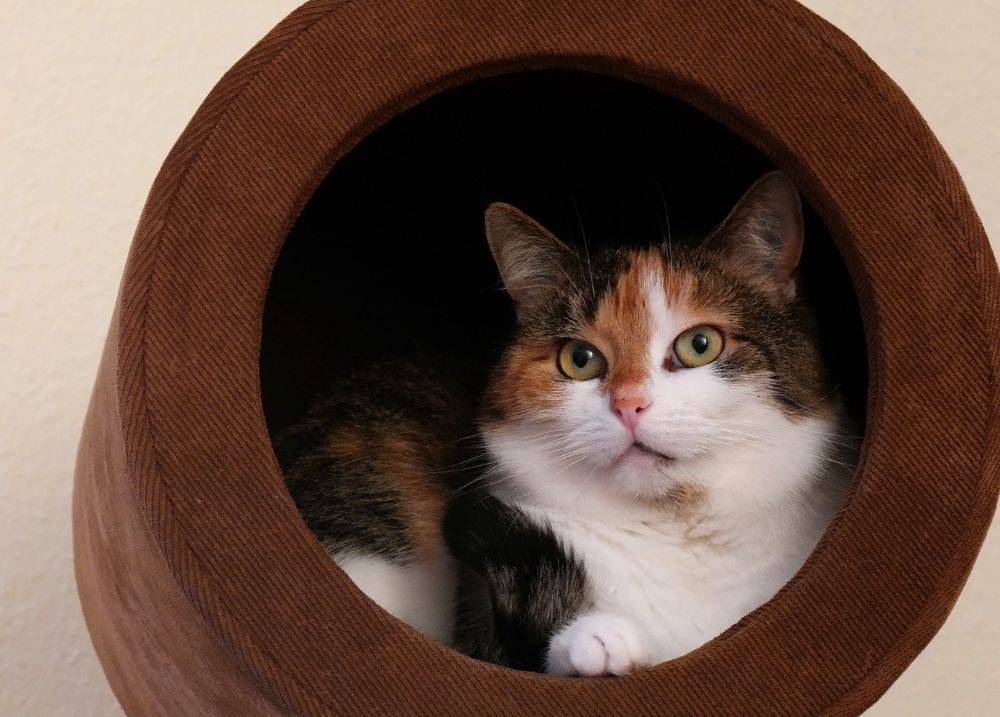
Cats bond better when they feel secure. Security comes from control — having places to rest, hide, and observe.
A cat with a safe base is usually a more affectionate cat.
Regular grooming can become a lovely shared ritual — but only if your cat feels in control.
If your cat hates grooming, start by brushing a single stroke, then stop. Build up slowly.
It sounds unrelated, but litter hygiene affects stress — and stress affects bonding.
Goal: Fix the cause, not the symptom.

If a cat wees somewhere “wrong”, scratches furniture, or bites during handling, punishment usually creates fear — not learning.
Your cat bonds to the version of you that feels safe.
It’s hard for a cat to be affectionate or playful if they feel unwell. Many “behaviour” changes are actually comfort changes.
For everyday wellbeing, some cats also benefit from gentle nutritional support — for example supplements designed for skin/coat, digestion, joints, calm routines, or eye health — especially when used consistently as part of a healthy lifestyle.
If your cat seems unwell, has sudden behaviour changes, or symptoms persist, a vet check is always the safest next step.
Has your bond with your cat grown stronger through little daily routines?
Send us a photo and your top bonding tip — your cat could feature on our site and socials!
Share Your Story Leave a Review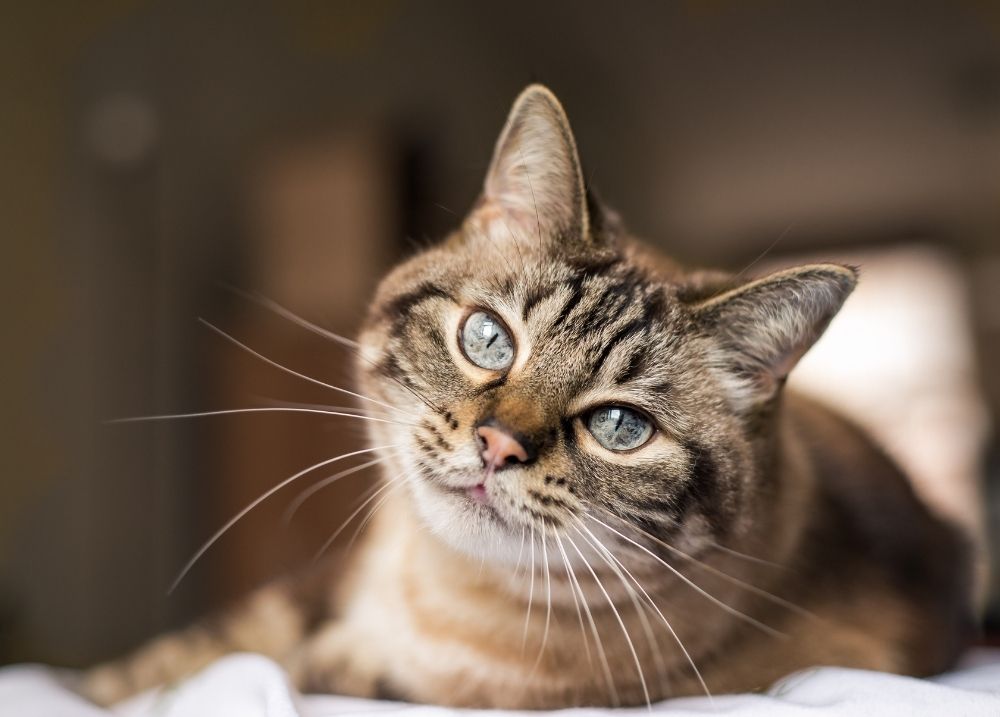
Feature your cat!

Stress & Anxiety

Joints & Mobility
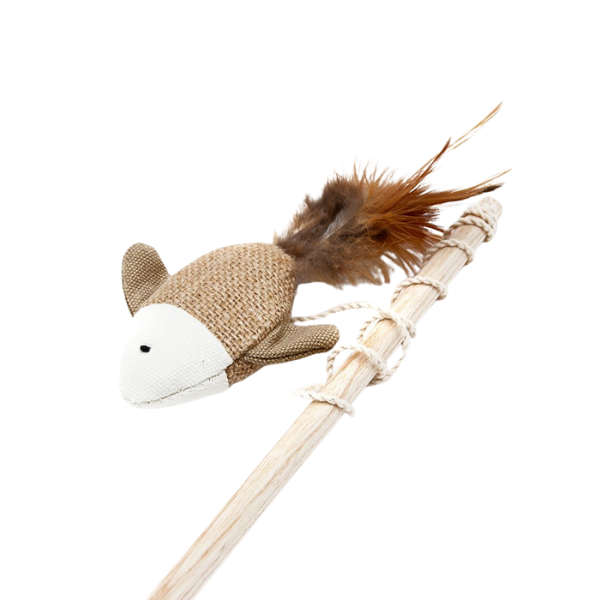
Teaser Wand

Skin & Coat
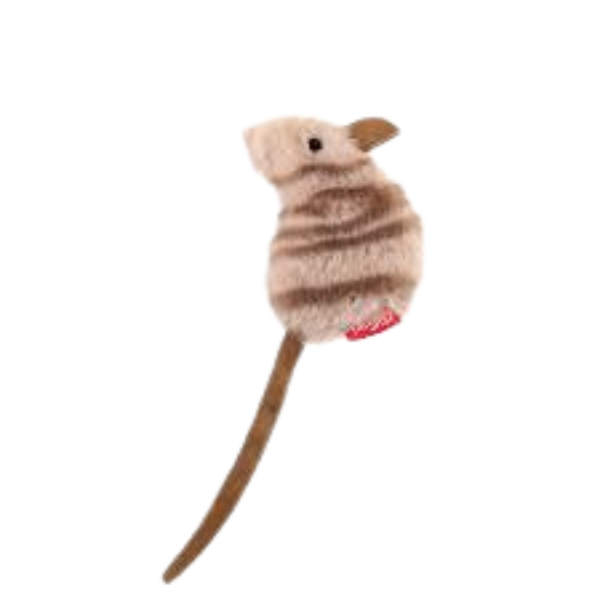
Catnip Mouse
Character Wand
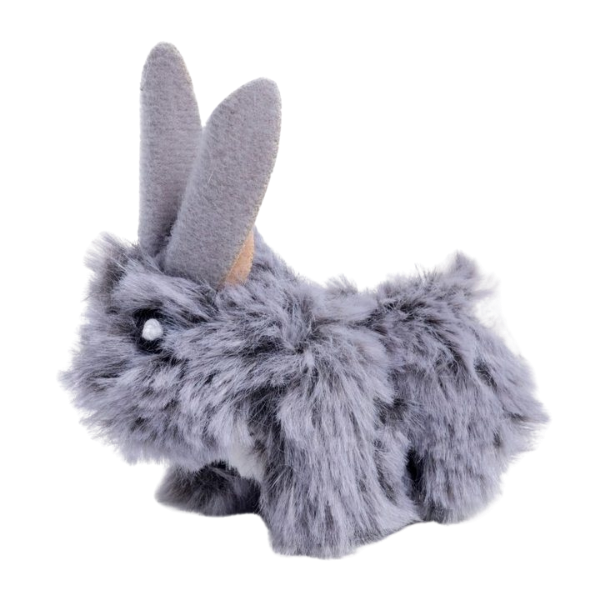
Catnip Rabbit
Steel Lickmat